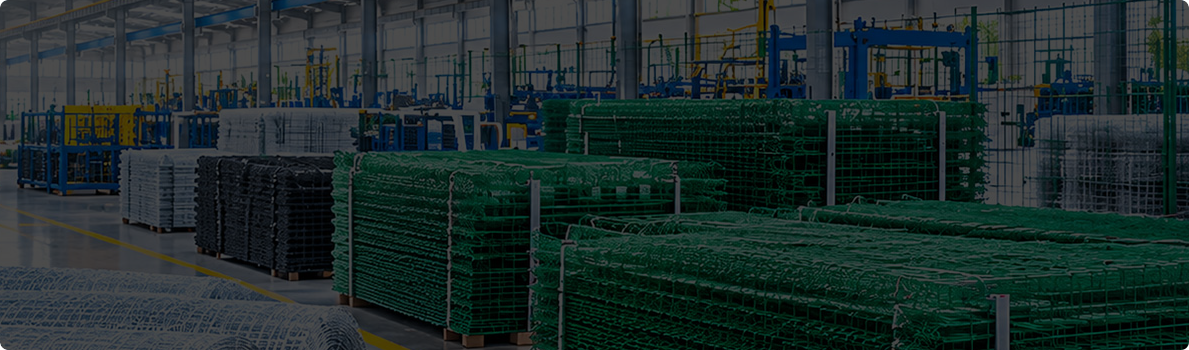
Welded Gabion

Welded Gabion

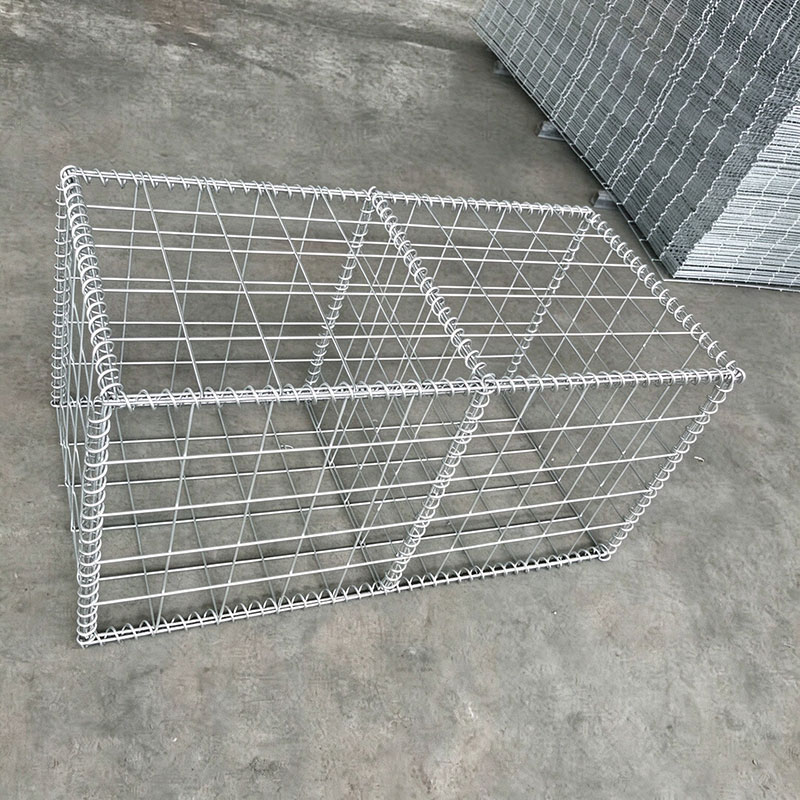
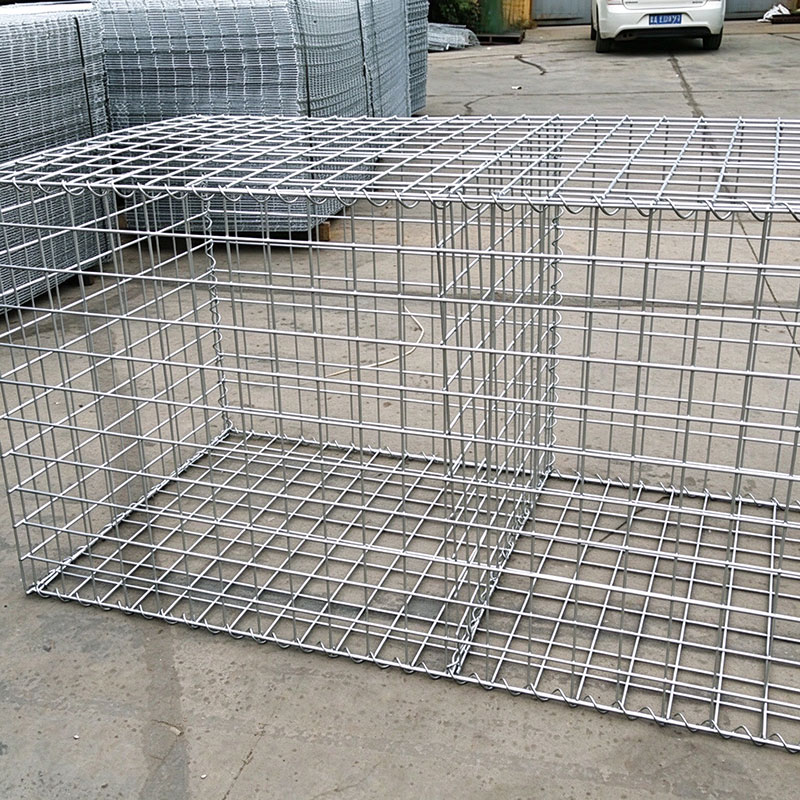
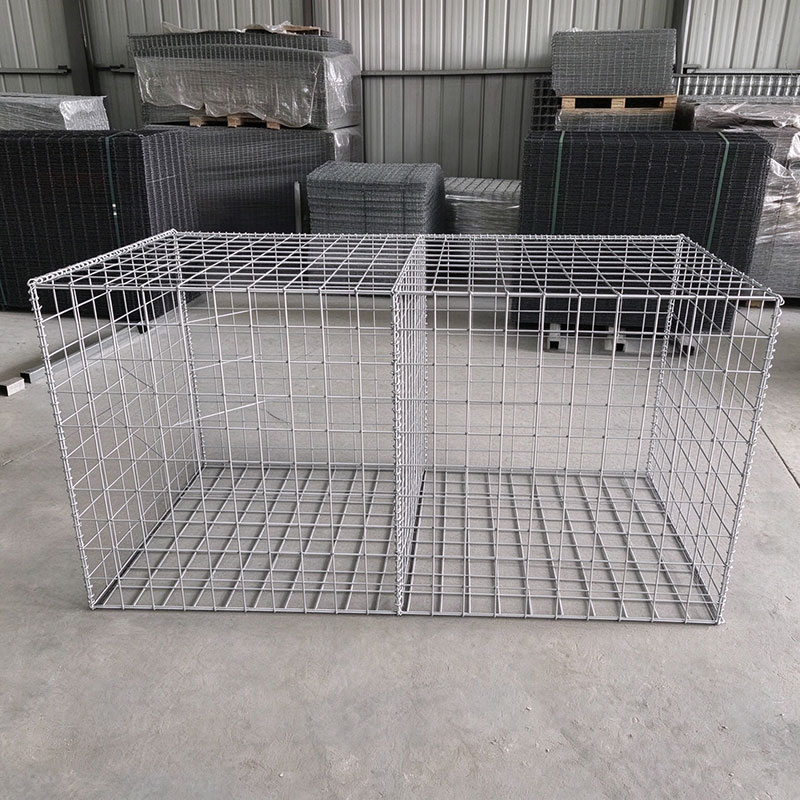
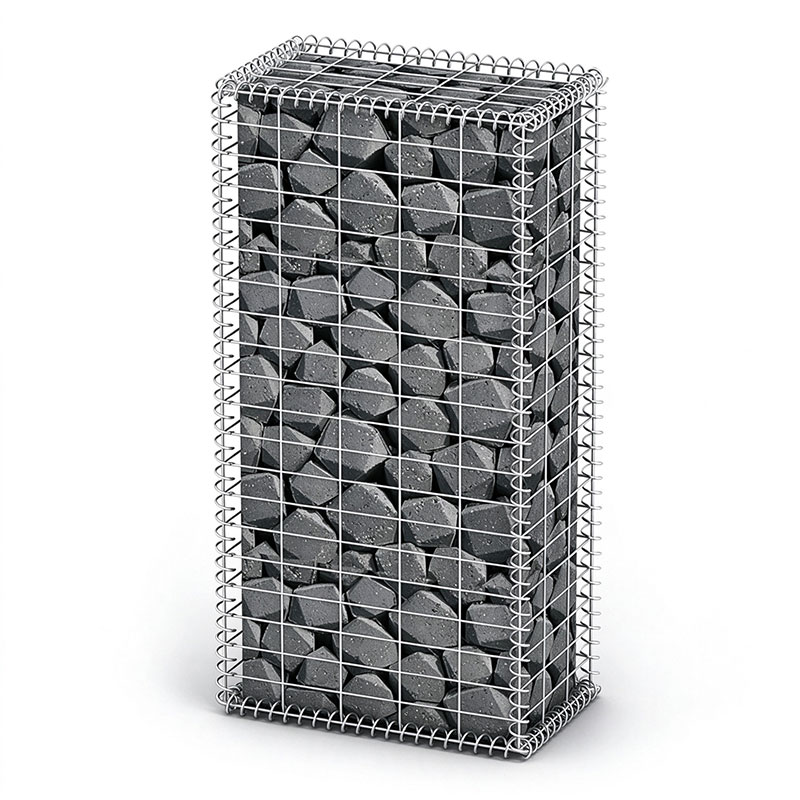
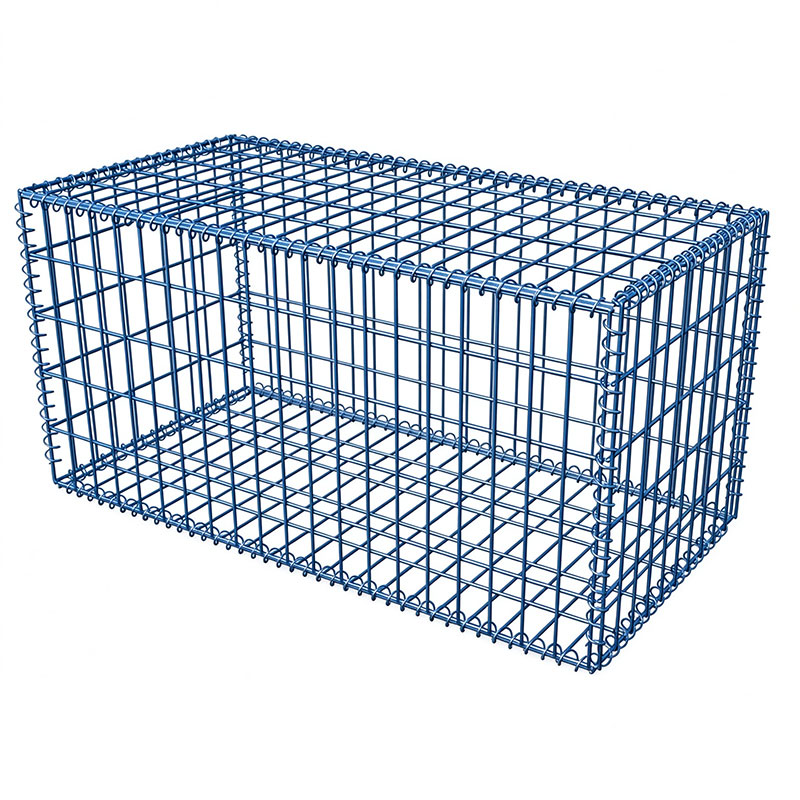
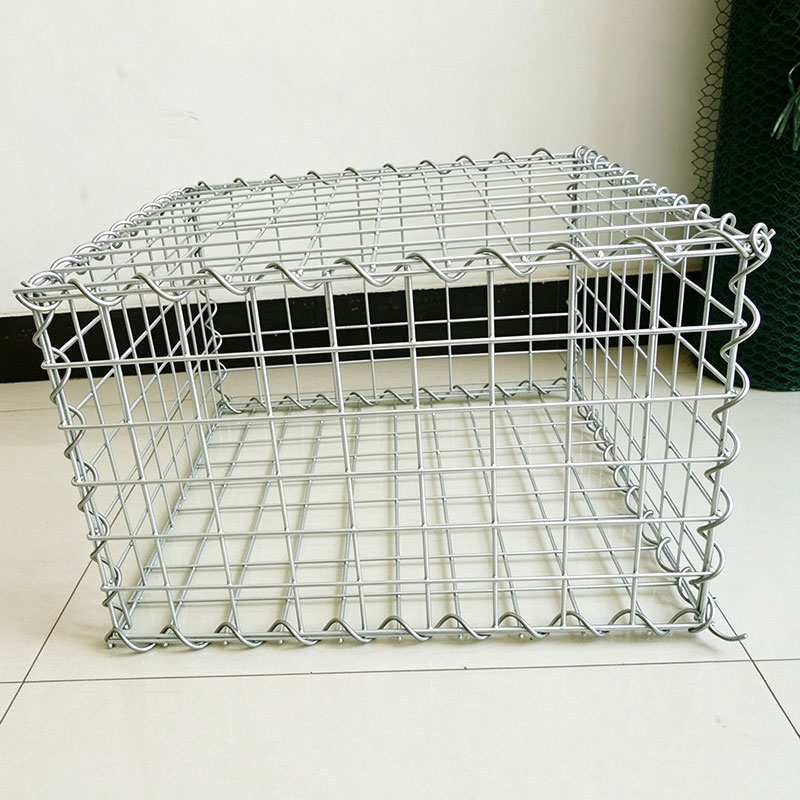
The welded gabion mesh is made of square grid steel wires welded into mesh sheets, with thickened frame wires added around the edges. The factory folds it into a box and provides partitions and reinforcements. It is transported to the site for unfolding, binding, and filling to form a retaining wall or protective surface. The square hole size is precise, the mesh surface is flat and straight, and the box body has distinct edges and corners, suitable for external protection of retaining walls, la
Send Inquiry
Description

12 PRODUCT RANGES

Covering eight application scenarios
To meet your various needs.

Contact Us

Product details

Product Overview: Welded Gabion

Welded gabion is made in a completely different way from twisted woven gabion. Longitudinal and transverse wires are laid in a square grid and every intersection is resistance-welded into a rigid panel; a heavier selvedge wire is added around the perimeter, and the panel is folded to box size with partitions and corner stiffeners and delivered flat. On site the flat panel is opened into a box, laced to its neighbours with helical binders or clips, and filled with stone. No welding machine, formwork or crane is needed.

The decisive choice is the surface treatment, and it comes down to one question: is the weld point covered by zinc? Welding burns away the zinc on both sides of every intersection, and that intersection is the weakest corrosion point of the whole grid. Two industry practices define two grades. Welding pre-galvanized wire and shipping it as welded is hot-dip galvanized wire welded: the zinc layer is broken at every weld. Welding first and hot-dip galvanizing the finished panel is galvanized after welding: zinc covers the welds and the cut edges as well. The first is cheaper and faster and adequate for dry inland retaining walls; the second is the most complete protection available for welded gabion. Two further grades skip zinc entirely, stainless steel 304 and 201, where the base metal itself resists corrosion and the surface stays bare, suited to coastal, wastewater and exposed landscape work.

The trade-off should be stated plainly. Welding gives rigid nodes, square apertures and a crisp, straight face, which is why welded gabion is first choice for exposed retaining walls and landscape walls. Rigidity also means less tolerance to movement: under significant differential settlement the welds crack first and the crack runs along the mesh. For river banks, toe protection and heavy scour, twisted woven gabion remains the better choice; the difference is process, not quality.

Specifications and Parameters:

ItemSpecification
Mesh Opening75 x 75 mm (standard); 50 x 50 mm; 50 x 100 mm
Body WireMild steel 3.0-6.0 mm (4.0 / 5.0 mm typical); stainless wire to be confirmed
Selvedge WireOne size heavier than body wire (4.0-6.0 mm)
Base MaterialMild steel / Stainless steel 304 / Stainless steel 201
Surface TreatmentHot-dip galvanized wire welded / Galvanized after welding / SS304 / SS201 (PVC coating optional for colour)
Box Size1x1x0.5 m to 4x1x1 m, ten standard sizes, with partitions and corner stiffeners
PartitionsFitted according to box length to prevent bulging
LacingHelical binders or clips supplied with the boxes
Acceptance ReferenceASTM A974 (welded gabion) is commonly cited in North American projects; conformity to be confirmed by third-party test report
NotesNon-standard mesh, wire and box sizes available; final dimensions subject to confirmation

Surface Treatment (four options):

GradeBase WireWhat It GivesBest For
Hot-dip galvanized wire weldedPre-galvanized mild steelEven zinc layer, lowest cost, shortest lead time; zinc layer is broken at every weldDry inland retaining walls, landscape walls, short to medium service life
Galvanized after weldingMild steel, galvanized as a finished panelZinc covers welds, selvedge and cut edges; the most complete protection; spangle and occasional zinc runsCoastal, humid, industrial atmosphere, long maintenance-free intervals
Stainless steel 304Stainless 304, bareHighest corrosion and oxidation resistance, bright finish that does not fade, no zinc to depleteSea spray zones, wastewater, chemical plants, exposed architectural work
Stainless steel 201Stainless 201, bareLower-cost stainless, moderate corrosion resistance, bare bright finishInland or mildly corrosive sites and landscape work on a budget; not for permanent immersion

How to choose, by corrosivity from low to high: hot-dip galvanized wire welded for dry inland sites; galvanized after welding for coastal, humid, industrial and long-life projects; stainless 304 for sea water, wastewater and chemicals; stainless 201 where a stainless look is wanted on a tighter budget. Where colour is required, add a PVC coating over either galvanized grade; colour and coating thickness to be confirmed per order.

Product Features:

  • ● Rigid structure: fully welded square grid keeps the box square after filling; the wall face stays straight instead of bulging the way woven baskets can.
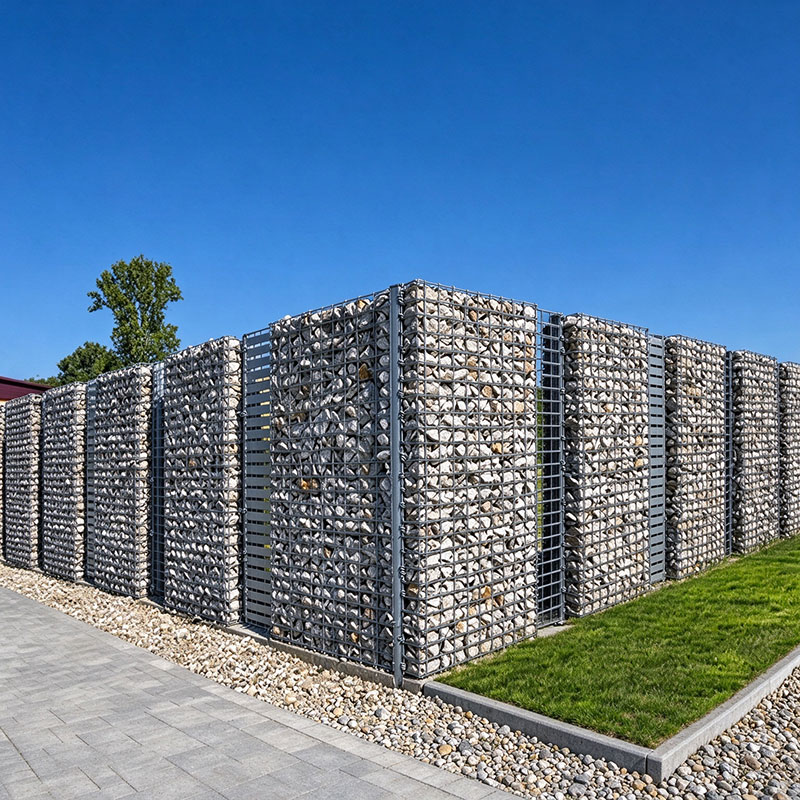
  • ● Crisp appearance: square apertures and regular lines let an exposed wall serve as the finished face, with no secondary cladding.
  • ● Fast assembly: delivered flat, opened and laced on site by hand, with no welding and no formwork, which suits tight programmes.
  • ● Four corrosion grades: hot-dip galvanized wire welded, galvanized after welding, SS304 and SS201, matched to exposure and budget rather than defaulting to the top grade.
  • ● Accurate dimensions: square mesh and factory-formed boxes give tight joints between units and a result that matches the drawing.
  • ● Mix and match: on one project, exposed decorative sections in stainless or galvanized-after-welding, scour-prone sections in twisted woven gabion.

Application Scenarios:

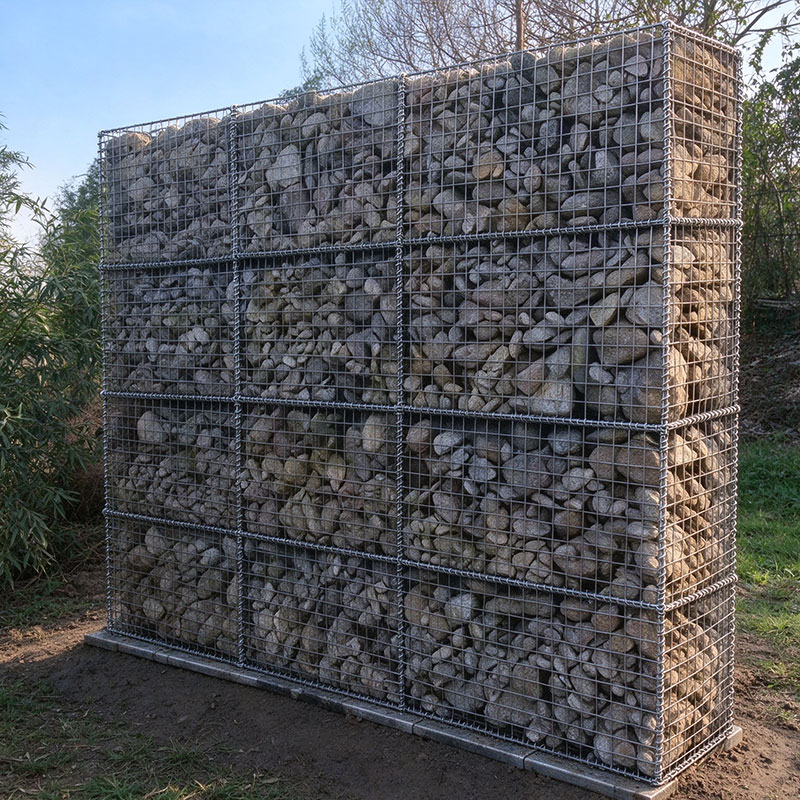
  • ● Retaining walls and embankment support: gravity walls with an exposed face, stepped or angled as designed.
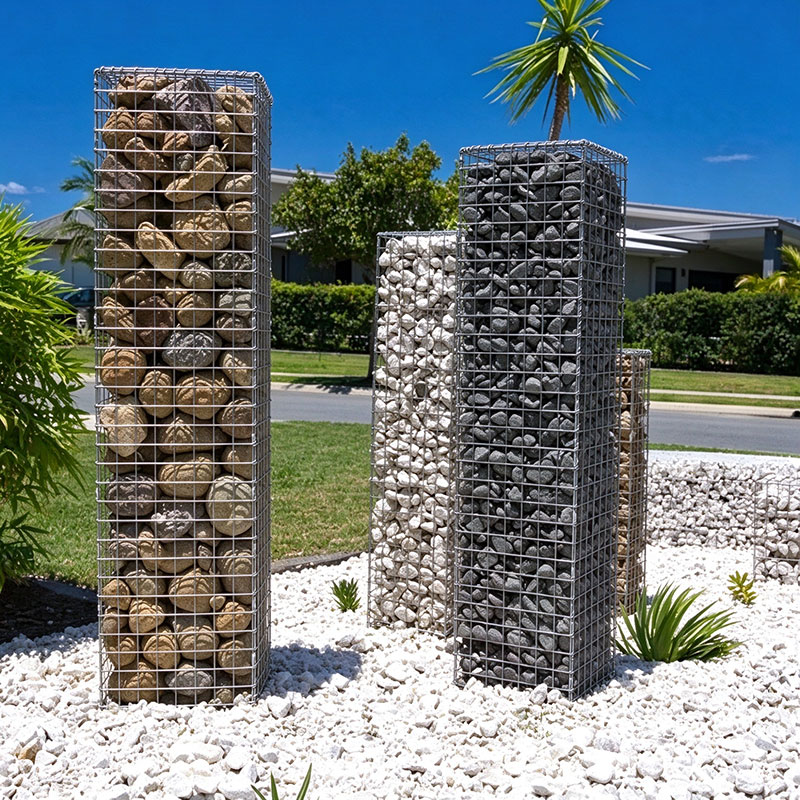
  • ● Landscape and feature walls: parks, river corridors and residential schemes, where stainless or galvanized-after-welding lasts longer.
  • ● Bridge abutments and culvert headwalls: side walls, inlets and outlets, and scour protection.
  • ● Slope and bank facing: stable slopes where a flat, straight face helps with planting and trim.
  • ● Municipal and industrial estates: wall bases, planting retainers and dividing walls.
  • ● Coastal and wastewater works: sea spray zones and treatment plants, where SS304 avoids rapid zinc consumption.
  • ● Temporary or semi-permanent barriers: stone-filled walls that go up fast and can be relocated.

Frequently Asked Questions:

Q: What is the difference between hot-dip galvanized and galvanized after welding?
A: The weld point. With hot-dip galvanized wire welded, the wire is galvanized first and welded after, so the welding heat burns the zinc off both sides of each intersection and the weld is left bare. With galvanized after welding, the panel is welded first and dipped as a whole, so zinc covers the welds and the cut edges. Visually the first is smoother and the second shows spangle and occasional runs; in service the difference shows at the welds first, which is why heavily corrosive sites should go straight to galvanized after welding.
Q: Do the welds really rust first?
A: On hot-dip galvanized wire welded mesh, the weld is the only break in the zinc layer, and in humid conditions it is where corrosion starts. There are two fixes: specify galvanized after welding so the welds are encapsulated, or specify stainless where the base metal does not rely on zinc. Zinc-rich paint on site is a repair measure, not a substitute for choosing the right grade.
Q: SS304 or SS201?
A: Look for chloride and standing water. 304 carries a higher nickel content, resists chlorides and oxidation well, and suits coastal, wastewater, chemical and permanently damp sites. 201 replaces nickel with manganese, costs less and offers moderate resistance, which is adequate for dry inland sites and budget-limited landscape work. Do not use 201 for permanent immersion, sea spray or strong acid and alkali service.
Q: Welded or twisted woven gabion?
A: Check whether the face is exposed and whether the foundation is stable. For exposed retaining walls, landscape walls, abutment cladding and wherever a straight face is required, take welded: square and crisp. For river banks, toe protection, seawalls, heavy scour and settlement-prone ground, take twisted woven: flexible, and damage stays local. Mixing both on one project is common, welded for the retained body and woven for the water-facing scour zone.
Q: How do I fix mesh and wire diameter?
A: Mesh follows the stone. The smallest stone should be larger than the aperture, otherwise stone spills out; 75 x 75 mm with 100-200 mm stone is the usual combination, 50 x 50 mm for fine or decorative fill, 50 x 100 mm for light duty and decorative work. Wire follows box height and load: taller boxes and heavier fill need heavier body and selvedge wire. Confirm against the design.
Q: Any requirements on the stone?
A: Stone must be hard, durable and non-disintegrating, larger than the mesh aperture and graded to minimise voids. Fill in layers and compact each layer, place larger stone against the mesh face and smaller stone inside, to avoid local bulging. The grading envelope should follow the design document.
Q: How is it assembled on site and what tools are needed?
A: Open the flat panel into a box, then lace adjacent boxes along their selvedge with helical binders, or fix with clips; partitions are laced to the panels the same way. The only tools are lacing pliers and gloves, with no welding machine or crane. Level and prepare the foundation before placing the boxes, and fit the lid after filling.
Q: What is the lead time?
A: Lead time is confirmed per order once mesh, wire, box size, surface treatment grade and quantity are fixed. Galvanized after welding and stainless grades need additional galvanizing or material lead time and are normally longer than hot-dip galvanized wire welded; please confirm with our sales team.

Main Differences from Twisted Woven Gabion:

ItemWelded GabionTwisted Woven Gabion
NodesFully welded, rigidDouble-twist interlock, flexible
ApertureSquare, accurate, crisp cornersHexagonal, deforms slightly under load
AppearanceStraight and crisp, suitable as a finished faceRounded and natural, suits buried or vegetated work
SettlementWeaker; a weld crack runs along the meshStrong; nodes deform without unwinding, damage stays local
Heavy scourModerate; needs bedding and filter layerGood; standard for rivers and seawalls
Weld corrosionGrade dependent: bare welds with hot-dip galvanized wire welded; not an issue with galvanized after welding or stainlessNo welds; zinc continuous through the twist
Typical useExposed retaining walls, landscape walls, abutment cladding, straight facesRivers, toe protection, seawalls, scour and settlement-prone ground
Product Inquiry
Company profile

Company profile

View more+
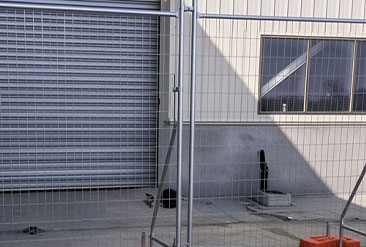
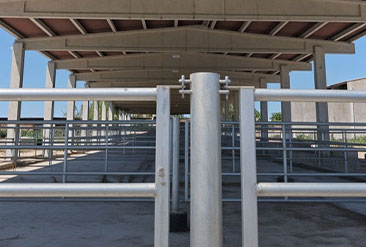
Anping County Kaiyao Wire Mesh Products Co., Ltd. makes fencing and wire mesh in Anping, Hebei. Sixteen product lines serve eight kinds of site: construction, residential, industrial and warehouse, high-security, highway and railway, farm and ranch, riverbank and slope, and municipal road.We do not stack standard panels in a warehouse and wait for someone to pick. Customers give us the site condit...
Our advantages
1
18 years of export experience
Our products have been exported to customers in Northern Europe, North America, Western Europe, Eastern Europe, and other markets.
2
Quality Certification
Our products have been exported to customers in Northern Europe, North America, Western Europe, Eastern Europe, and other markets.
3
OEM/ODM support
Our products have been exported to customers in Northern Europe, North America, Western Europe, Eastern Europe, and other markets.
4
Quality Certification
我们的产品已出口至北欧、北美、西欧、东欧等市场的客户。
5
OEM/ODM support
Our products have been exported to customers in Northern Europe, North America, Western Europe, Eastern Europe, and other markets.
6
Quality Certification
Our products have been exported to customers in Northern Europe, North America, Western Europe, Eastern Europe, and other markets.
Packaging Logistics
Packaging Logistics
Packaging and transportation are very important links in the export process. Our quality inspection department checks every part before packing. For LCL, we use fumigation-free plywood boxes and wrap plastic film inside to pack industrial vegetable washers. For FCL, large fruit washers and fruit and vegetable washing production lines are directly loaded into containers and wrapped in plastic film to prevent moisture from entering and ensure transportation safety.
  • air freight
  • sea freight
  • Trucking
We use cookie to improve your online experience. By continuing to browse this website, you agree to our use of cookie.

Cookies

Please read our Terms and Conditions and this Policy before accessing or using our Services. If you cannot agree with this Policy or the Terms and Conditions, please do not access or use our Services. If you are located in a jurisdiction outside the European Economic Area, by using our Services, you accept the Terms and Conditions and accept our privacy practices described in this Policy.
We may modify this Policy at any time, without prior notice, and changes may apply to any Personal Information we already hold about you, as well as any new Personal Information collected after the Policy is modified. If we make changes, we will notify you by revising the date at the top of this Policy. We will provide you with advanced notice if we make any material changes to how we collect, use or disclose your Personal Information that impact your rights under this Policy. If you are located in a jurisdiction other than the European Economic Area, the United Kingdom or Switzerland (collectively “European Countries”), your continued access or use of our Services after receiving the notice of changes, constitutes your acknowledgement that you accept the updated Policy. In addition, we may provide you with real time disclosures or additional information about the Personal Information handling practices of specific parts of our Services. Such notices may supplement this Policy or provide you with additional choices about how we process your Personal Information.


Cookies

Cookies are small text files stored on your device when you access most Websites on the internet or open certain emails. Among other things, Cookies allow a Website to recognize your device and remember if you've been to the Website before. Examples of information collected by Cookies include your browser type and the address of the Website from which you arrived at our Website as well as IP address and clickstream behavior (that is the pages you view and the links you click).We use the term cookie to refer to Cookies and technologies that perform a similar function to Cookies (e.g., tags, pixels, web beacons, etc.). Cookies can be read by the originating Website on each subsequent visit and by any other Website that recognizes the cookie. The Website uses Cookies in order to make the Website easier to use, to support a better user experience, including the provision of information and functionality to you, as well as to provide us with information about how the Website is used so that we can make sure it is as up to date, relevant, and error free as we can. Cookies on the Website We use Cookies to personalize your experience when you visit the Site, uniquely identify your computer for security purposes, and enable us and our third-party service providers to serve ads on our behalf across the internet.

We classify Cookies in the following categories:
 ●  Strictly Necessary Cookies
 ●  Performance Cookies
 ●  Functional Cookies
 ●  Targeting Cookies


Cookie List
A cookie is a small piece of data (text file) that a website – when visited by a user – asks your browser to store on your device in order to remember information about you, such as your language preference or login information. Those cookies are set by us and called first-party cookies. We also use third-party cookies – which are cookies from a domain different than the domain of the website you are visiting – for our advertising and marketing efforts. More specifically, we use cookies and other tracking technologies for the following purposes:

Strictly Necessary Cookies
These cookies are necessary for the website to function and cannot be switched off in our systems. They are usually only set in response to actions made by you which amount to a request for services, such as setting your privacy preferences, logging in or filling in forms. You can set your browser to block or alert you about these cookies, but some parts of the site will not then work. These cookies do not store any personally identifiable information.

Functional Cookies
These cookies enable the website to provide enhanced functionality and personalisation. They may be set by us or by third party providers whose services we have added to our pages. If you do not allow these cookies then some or all of these services may not function properly.

Performance Cookies
These cookies allow us to count visits and traffic sources so we can measure and improve the performance of our site. They help us to know which pages are the most and least popular and see how visitors move around the site. All information these cookies collect is aggregated and therefore anonymous. If you do not allow these cookies we will not know when you have visited our site, and will not be able to monitor its performance.

Targeting Cookies
These cookies may be set through our site by our advertising partners. They may be used by those companies to build a profile of your interests and show you relevant adverts on other sites. They do not store directly personal information, but are based on uniquely identifying your browser and internet device. If you do not allow these cookies, you will experience less targeted advertising.

How To Turn Off Cookies
You can choose to restrict or block Cookies through your browser settings at any time. Please note that certain Cookies may be set as soon as you visit the Website, but you can remove them using your browser settings. However, please be aware that restricting or blocking Cookies set on the Website may impact the functionality or performance of the Website or prevent you from using certain services provided through the Website. It will also affect our ability to update the Website to cater for user preferences and improve performance. Cookies within Mobile Applications

We only use Strictly Necessary Cookies on our mobile applications. These Cookies are critical to the functionality of our applications, so if you block or delete these Cookies you may not be able to use the application. These Cookies are not shared with any other application on your mobile device. We never use the Cookies from the mobile application to store personal information about you.

If you have questions or concerns regarding any information in this Privacy Policy, please contact us by email at . You can also contact us via our customer service at our Site.