Cattle Fence

Cattle Fence

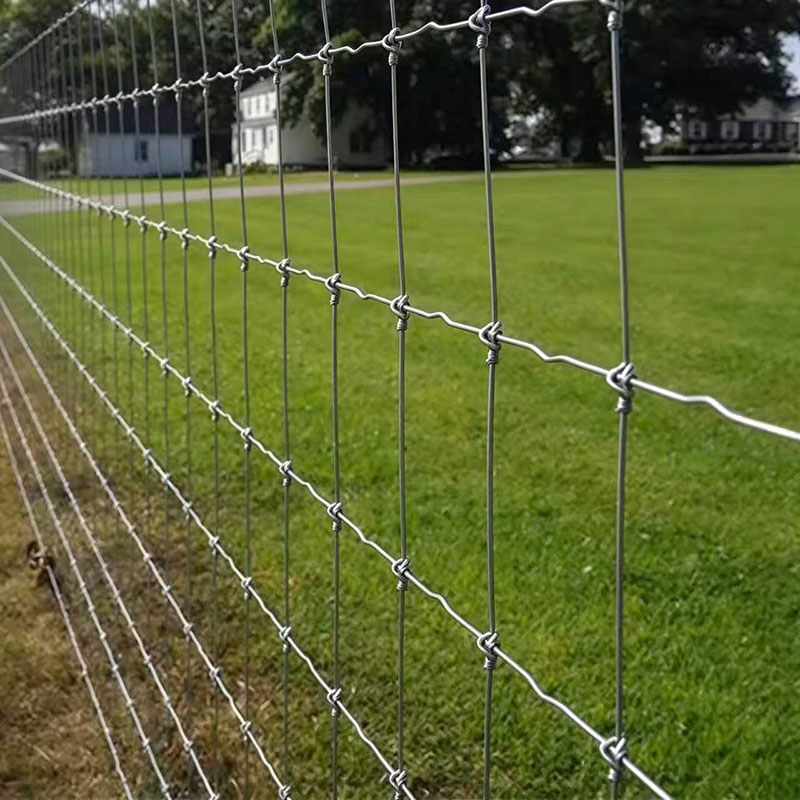
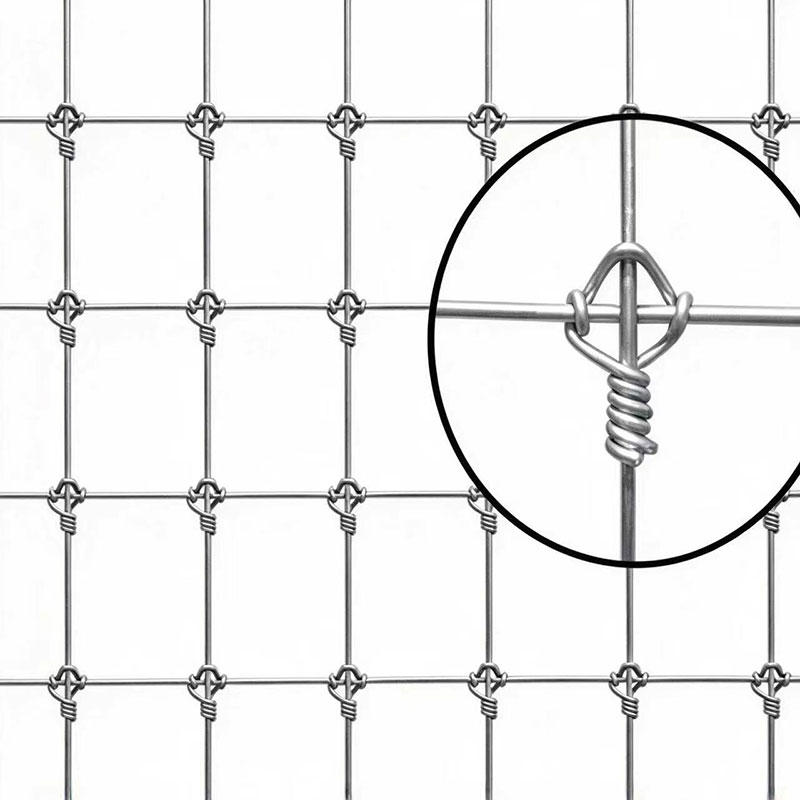
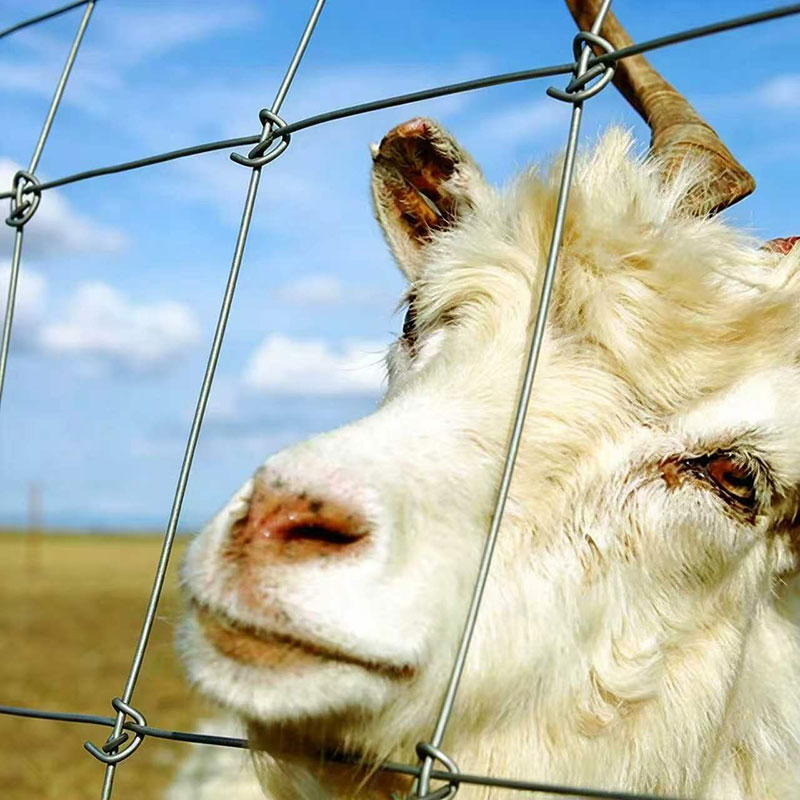
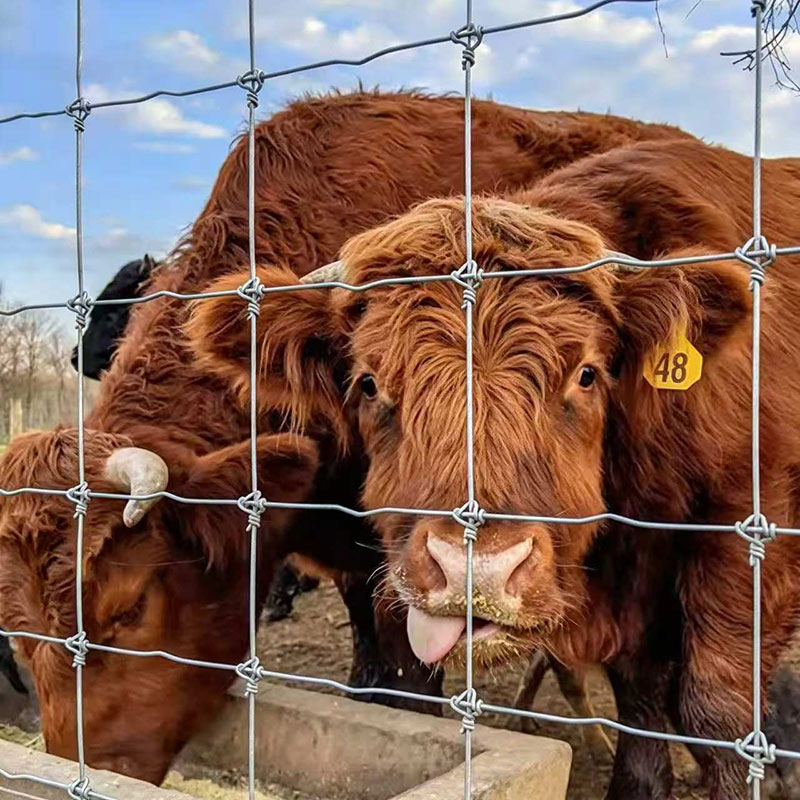
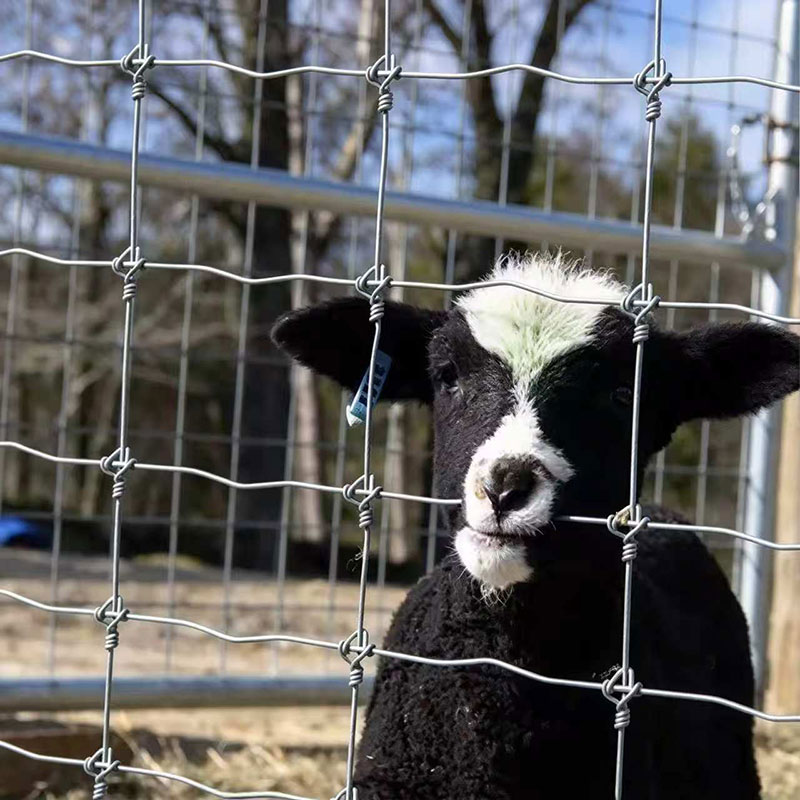
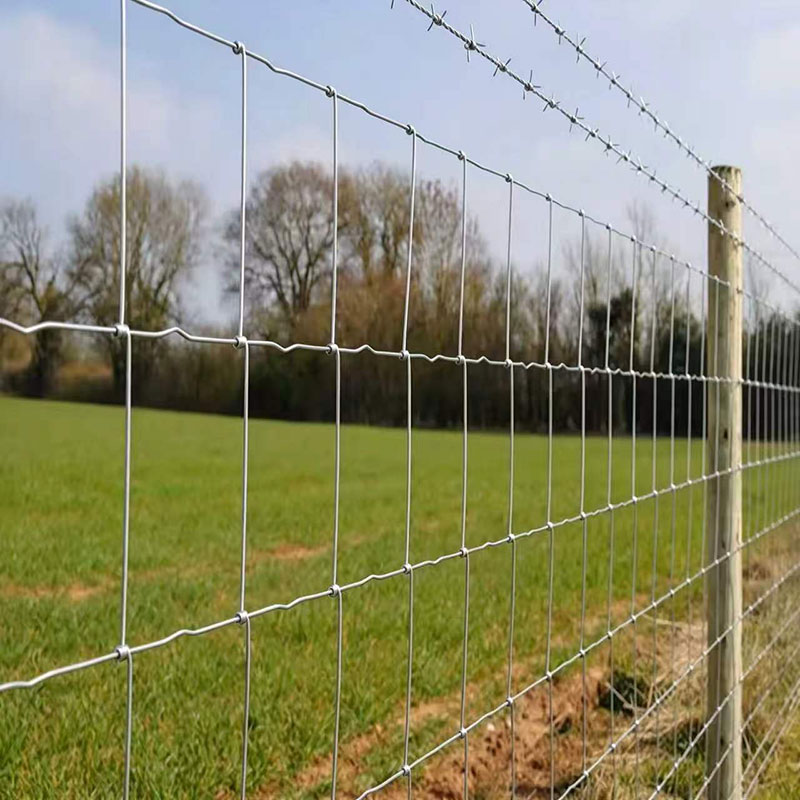
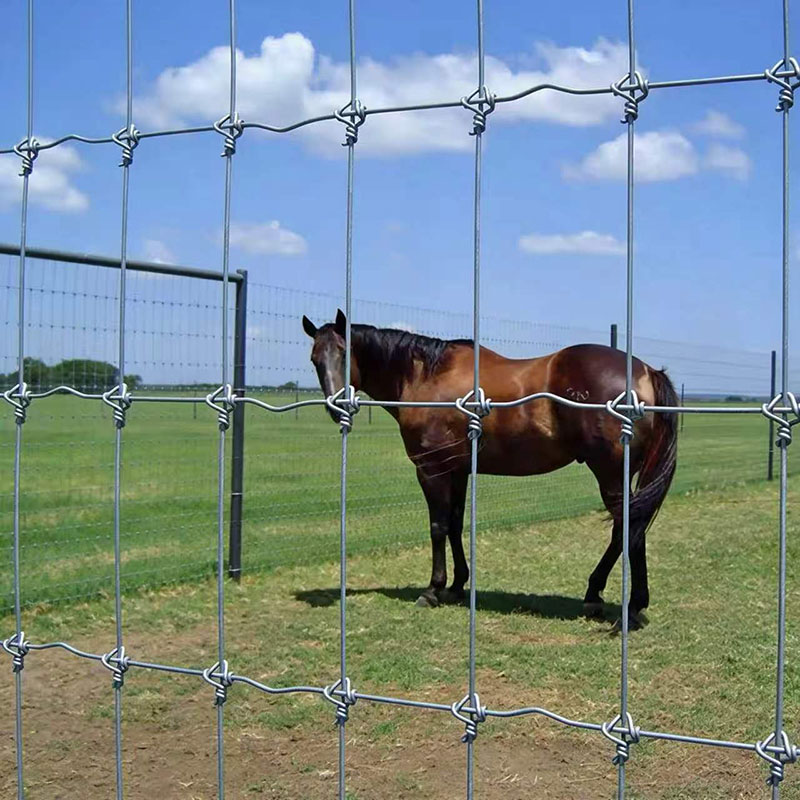
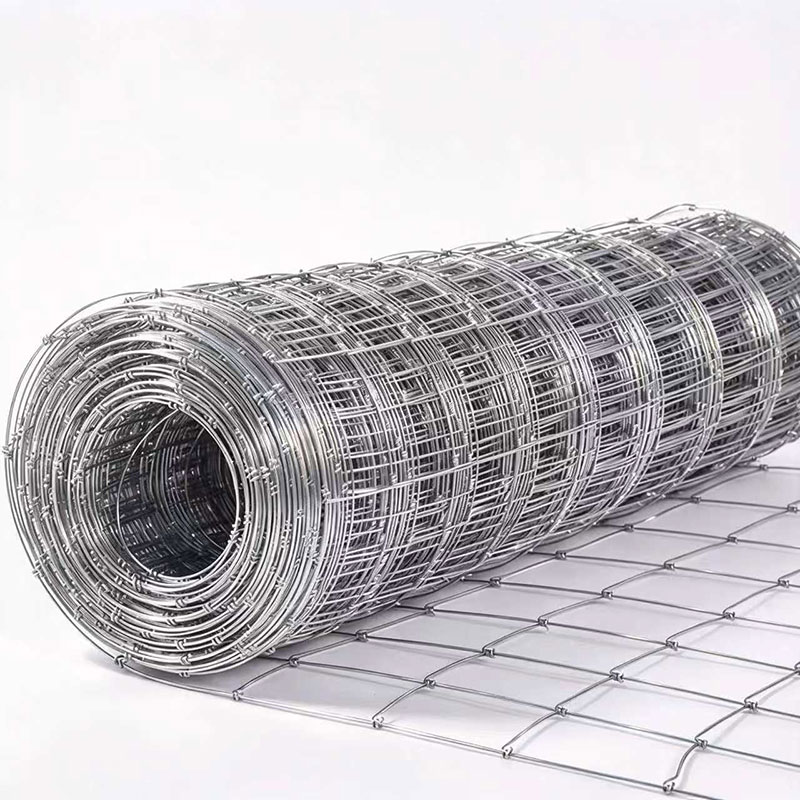
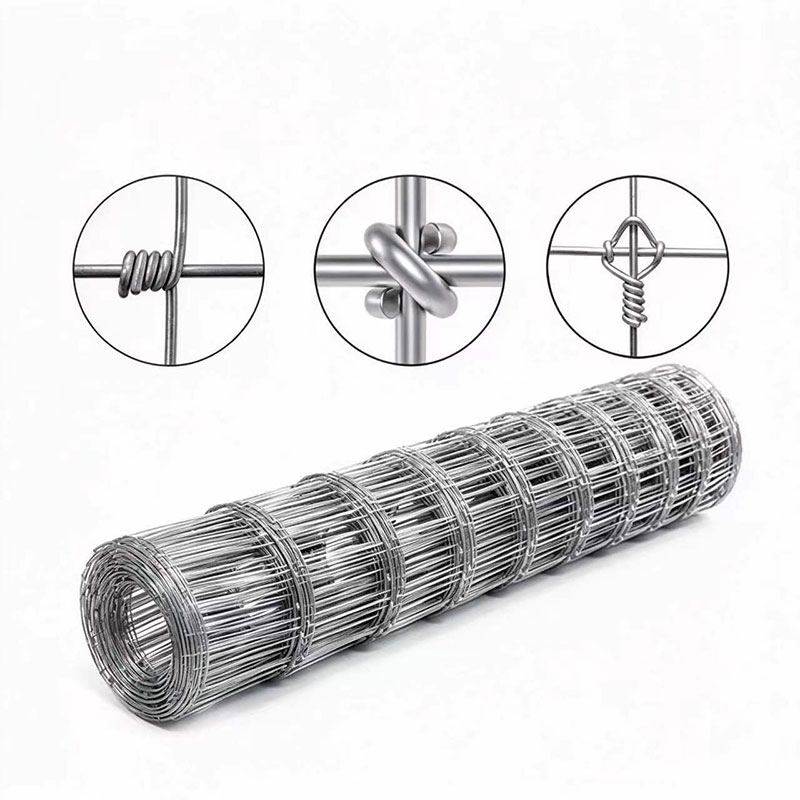
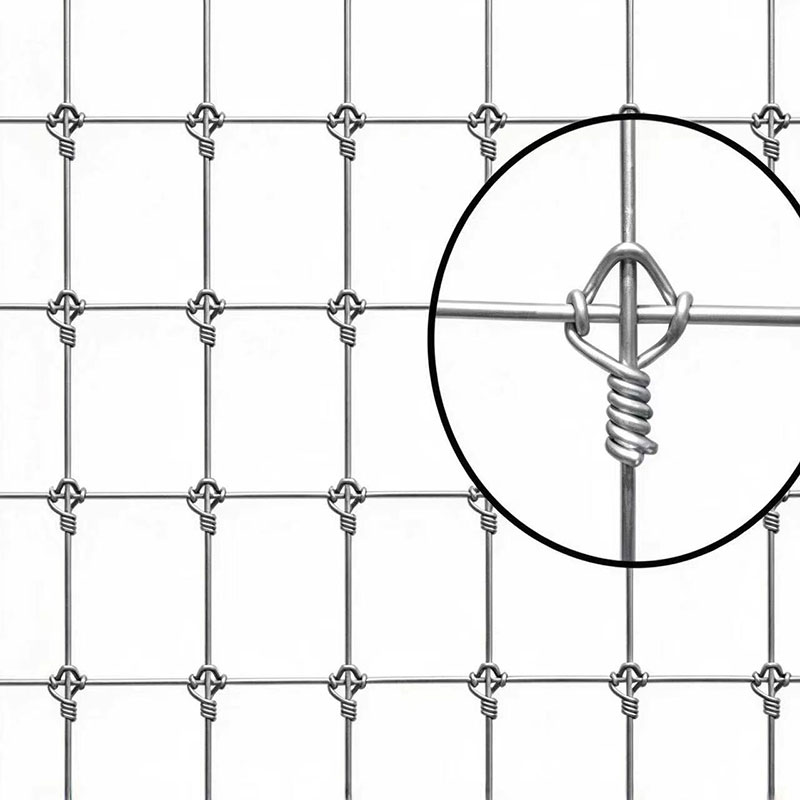
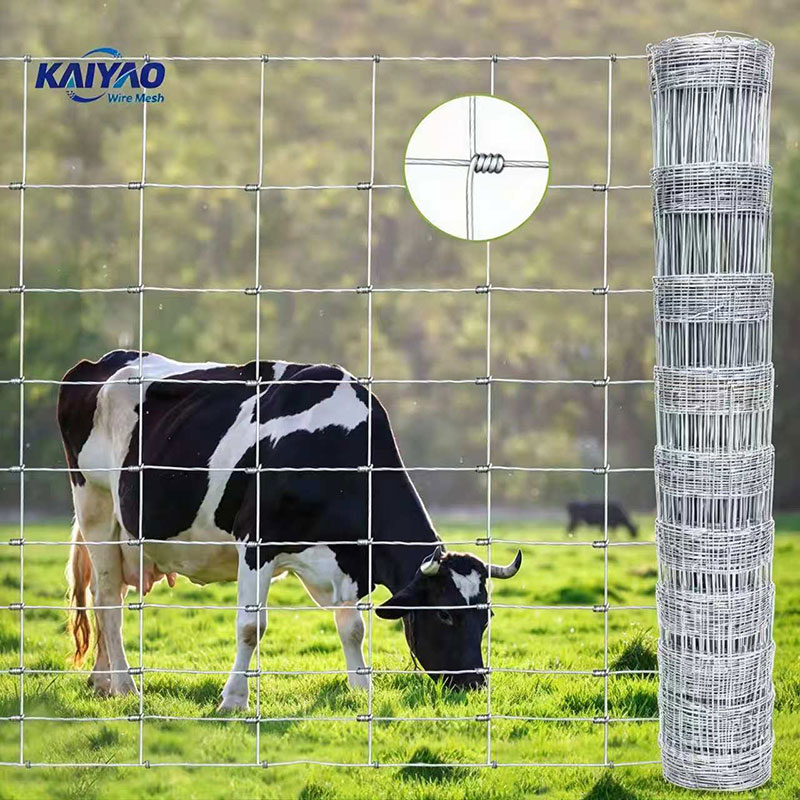
The cowshed net is woven into rolls of high-strength galvanized steel wire, with horizontal wires pressed into wavy loops and vertical wires woven orthogonally. The net surface is flat and elastic, and can withstand the impact and compression of livestock such as cows, horses, sheep, and deer; The knotting method can be selected from cow pen knot (hinged knot), deer net knot (fixed knot), horse net knot (square knot/S knot), and the surface treatment can be selected from ordinary zinc (40-60 g/m
Send Inquiry
Description

12 PRODUCT RANGES

Covering eight application scenarios
To meet your various needs.

Contact Us

Product details

Product Overview: Cattle Fence (Woven Field Fence)

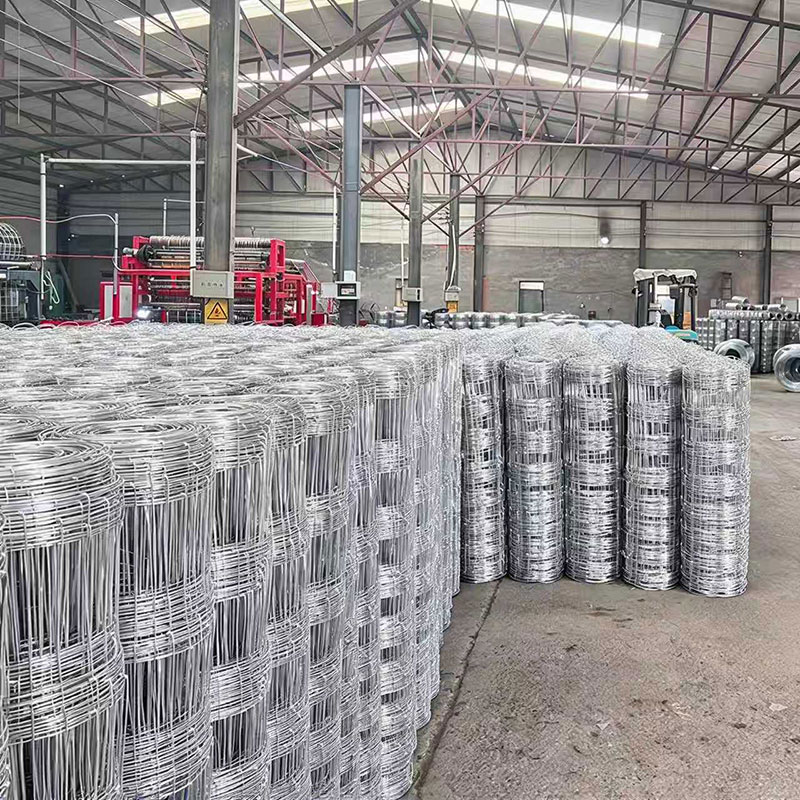
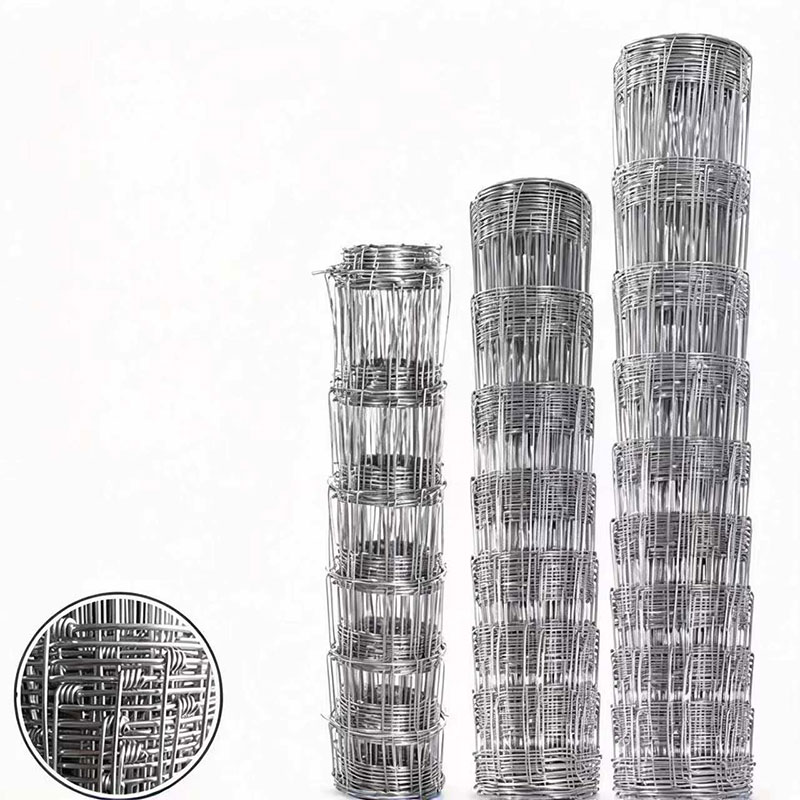
Cattle fence is a woven wire pasture fence supplied in rolls. The horizontal wires are first crimped into wave-shaped loops and then woven across the vertical stay wires, which keeps the mesh surface flat and even and lets it spring back under load instead of taking a permanent set. The mesh can be arranged with graduated spacing - wider at the top, tighter at the bottom - or with uniform openings, so stock cannot push head or legs through while wire consumption stays economical. Rolls are supplied to the required perimeter length and are simply unrolled, tensioned and tied off to corner and line posts on site.

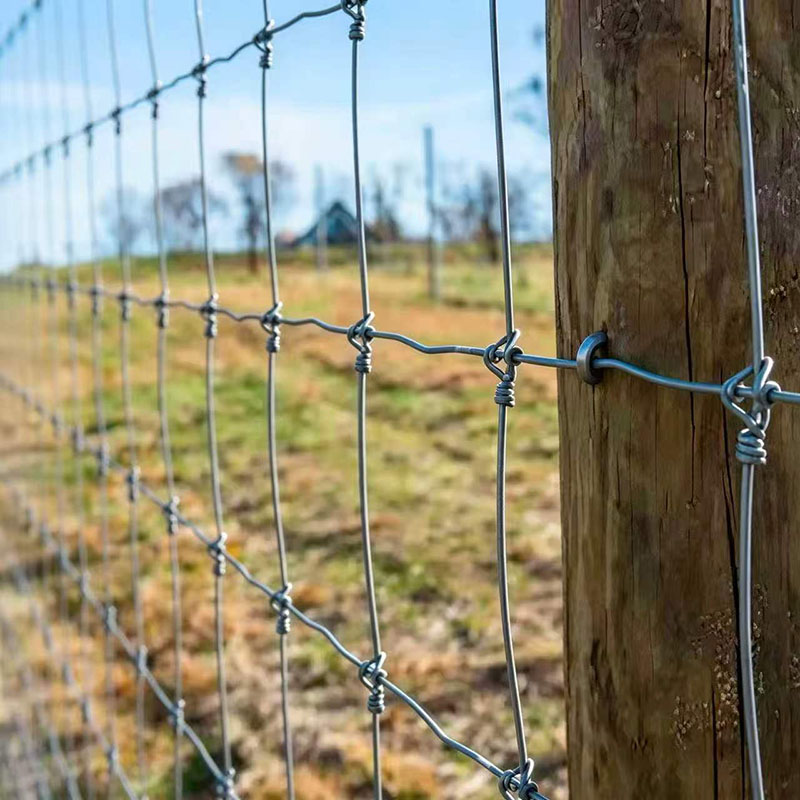
With the same panel parameters, the knot type determines how the mesh behaves under load and which stock it suits. The hinge joint lets the horizontal wires shift slightly at each stay wire, giving an elastic mesh and the lowest cost - the standard choice for cattle and sheep pasture. The fixed knot locks every intersection with a separate wire, so nodes cannot slip and the mesh will not unravel when cut; it gives the highest stiffness and tear resistance for deer farms, wildlife exclusion and long high-tension spans. The square knot and S-knot form regular square openings with a flat, tidy surface, which suits horses and small stock. Surface treatment comes in two zinc levels: regular zinc at 40-60 g/m² for economical inland use, and high-zinc (US-standard grade) at around 270 g/m² for coastal, humid and manure-exposed sites.

Specifications and Parameters:

ItemSpecification
MOQ100 rolls for customized specifications
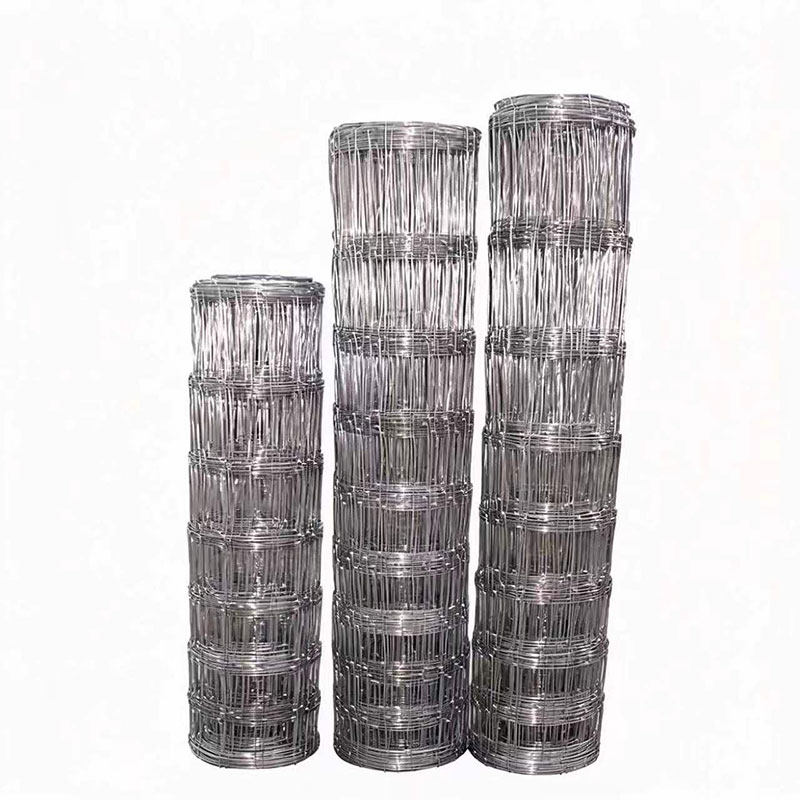
Height1 m / 1.2 m / 1.5 m / 1.8 m / 2.0 m
Wire Diameter1.8 mm / 2.0 mm / 2.5 mm
Vertical Spacing10 cm / 15 cm / 20 cm / 30 cm / 40 cm
MaterialHigh-tensile galvanized steel wire, woven
Knot Type3 options: hinge joint (cattle knot) / fixed knot (deer knot) / square knot or S-knot (horse knot)
Surface Treatment2 options: regular zinc 40-60 g/m² / high zinc (US-standard grade) approx. 270 g/m²
Mesh LayoutGraduated spacing (wider at top, tighter at bottom) or uniform openings
Roll Length50 m / 100 m as the most common; other lengths made to the required perimeter
ColorGalvanized natural finish as standard; PVC coated in green, black, white or other colors on request
Posts and FixingsWooden posts, Y-posts or steel posts with tie wire (post size and spacing per approved drawing)
CustomizationNon-standard height, wire diameter, vertical spacing, roll length and knot combination available; 100 rolls minimum for customized specifications; all dimensions subject to final confirmation

Knot Types (three options):

Knot TypeStructure
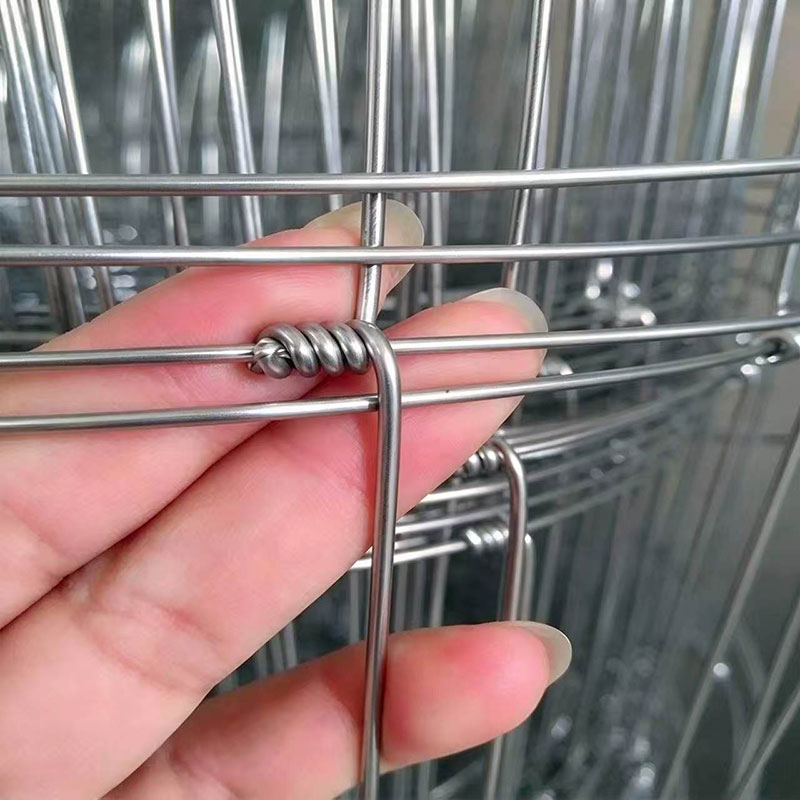
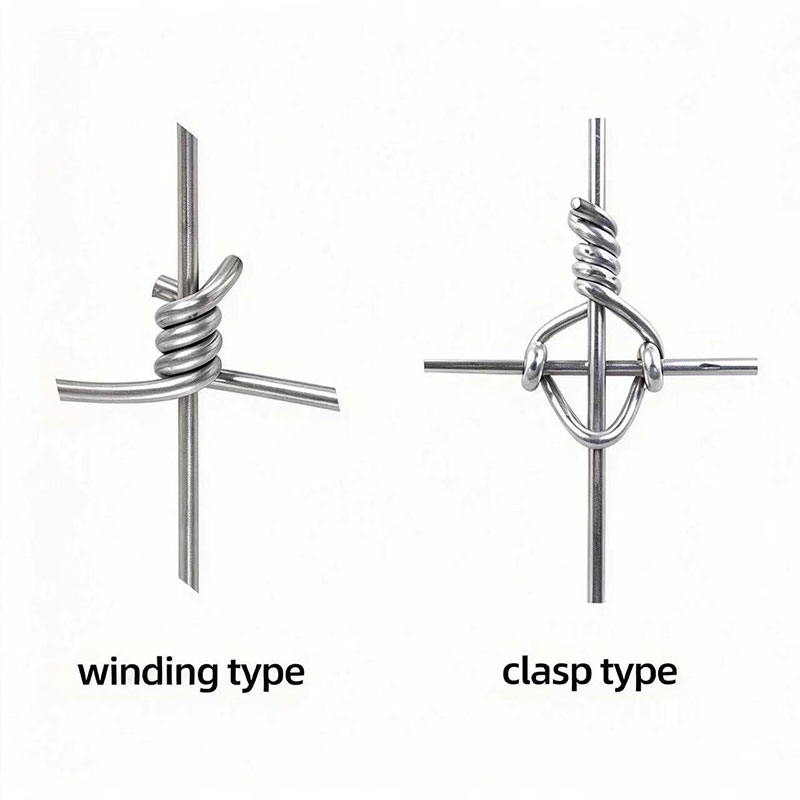
1. Hinge Joint (cattle knot)The horizontal wires hook around each vertical stay wire and can shift slightly along it. The mesh keeps a spring reserve, so impact is not transferred rigidly into the posts. The general-purpose choice for cattle and sheep pasture, and the most economical of the three.
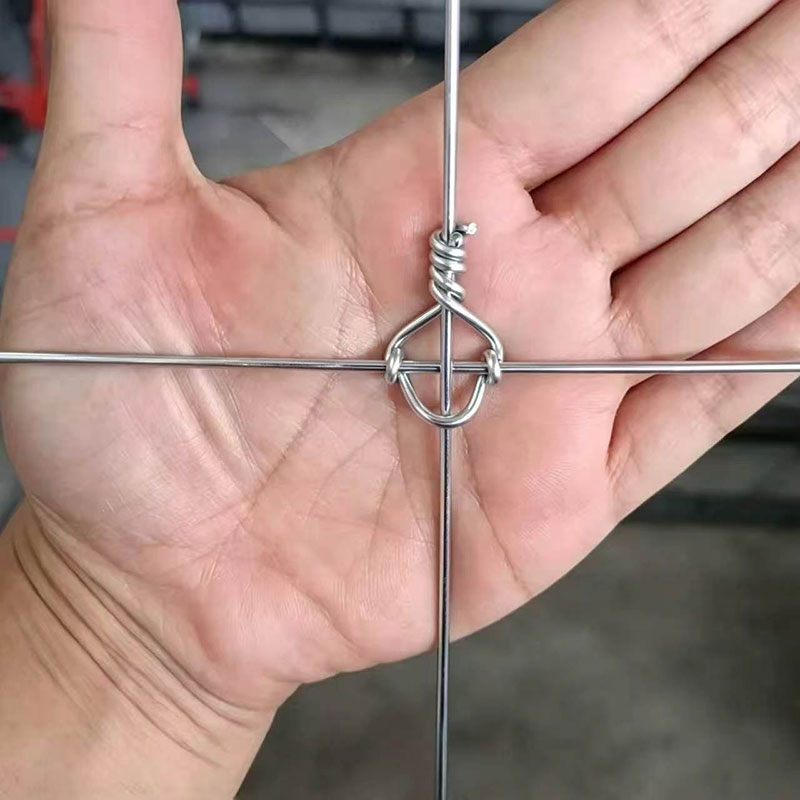
2. Fixed Knot (deer knot)Every wire intersection is locked by a separate wire, so nodes cannot slip and the panel reaches its highest stiffness. The mesh does not unravel when cut, giving the best impact and tear resistance - suited to deer farms, wildlife exclusion, high-tension long spans and sites where sagging must be avoided.
3. Square Knot / S-Knot (horse knot)Horizontal and vertical wires are twisted together in both directions to form regular square openings with a flat surface and no protruding hook points. Suited to horses, sheep and small stock, reducing the risk of hooves or horns catching, and often used where a tidy appearance matters.

How to Choose a Knot Type:
Cattle and sheep, general pasture, cost first: hinge joint (cattle knot).
Deer farms, wildlife exclusion, high-tension long spans, no-sag requirement: fixed knot (deer knot).
Horses, sheep and small stock, hoof-safe and tidy appearance: square knot or S-knot (horse knot).
Note: the wire diameter and minimum mesh opening that each knot type can run differ, so the final knot, mesh and wire combination follows the approved drawing.

Surface Treatment Options (two levels):

TreatmentWhat It Is
1. Regular Zinc, 40-60 g/m²A thinner zinc layer at lower cost, intended for inland dry or normal atmospheric conditions, standard pasture fencing and cost-sensitive projects. Adequate for everyday outdoor service, but the zinc is consumed faster in aggressive environments.
2. High Zinc, approx. 270 g/m² (US-standard grade)A substantially heavier zinc layer with a longer sacrificial protection period, intended for coastal, humid and rainy climates, manure and ammonia exposure, and projects that must stay maintenance-free over a long cycle. Heavier coating means a heavier roll, so tensioning and handling methods need to match.

How to Choose a Zinc Level:
Inland pasture, short cycle, cost first: regular zinc 40-60 g/m².
Coastal, humid, manure zones, long maintenance-free cycle: high zinc approx. 270 g/m².
Where the client specifies a zinc figure and a test method: follow the technical agreement in the order.
Note: zinc figures are reference ranges and actual values vary with wire diameter, weaving process and production batch; the order agreement and test results govern. If the required zinc level falls outside our standard supply range, please confirm with our technical team in advance.

Product Features:

  • ● Impact Resistance: the horizontal wires are crimped into wave-shaped loops before weaving, so the mesh springs back under load and resists permanent deformation from cattle and horse impact.
  • ● Selectable Knot: three knot types - hinge joint, fixed knot and square / S-knot - matched to stock, site and span, switchable on the same height and wire diameter range.
  • ● Two Zinc Levels: regular zinc 40-60 g/m² and high zinc approx. 270 g/m², traded off against cost and service life per project.
  • ● Flat, Even Mesh: the flat, uniform surface with crimped weft wires holds its elasticity and tension in all conditions and travels well in rolls.
  • ● Flexible Mesh Layout: graduated spacing or uniform openings, balancing exclusion of stock against wire consumption.
  • ● Labour-Saving Installation: supplied in rolls, unrolled and tensioned on site, then tied to wooden, Y-shaped or steel posts with no welding or lifting equipment.
  • ● Wide Application: the same process covers rotational grazing, woodland enclosure, roadside separation, ecological projects and wildlife management.

Application Scenarios:

  • ● Cattle and Sheep Farms: rotational grazing paddocks and farm perimeter, normally hinge joint with graduated mesh.
  • ● Stud Farms and Equestrian Grounds: square knot mesh keeps a flat surface and lowers the risk of hooves catching, with a tidy appearance.
  • ● Deer Farms and Wildlife Exclusion: fixed knot panels give high stiffness for impact and wider post spacing.
  • ● Poultry and Small Livestock: enclosure perimeters and exercise areas for chickens, ducks, geese and rabbits.
  • ● Forestry and Ecological Projects: woodland closure, grassland protection and sand-fixation areas.
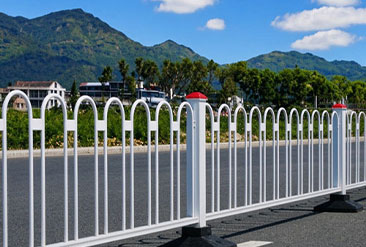
  • ● Roads and Railways: separation along embankments and protection against livestock crossing.
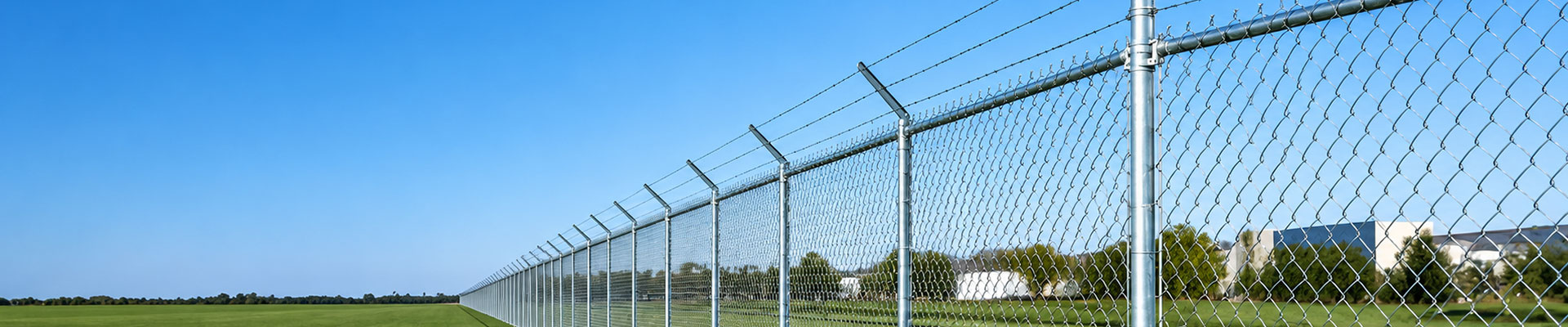
  • ● Solar and Energy Sites: perimeter protection over long straight runs.

Frequently Asked Questions (FAQ):

Q: How do I choose between the three knot types?
A: Base it on the stock and the site. Standard cattle and sheep pasture uses the hinge joint: the lowest cost with an elastic mesh. Deer farms, wildlife exclusion, or sites needing high tension and wider post spacing use the fixed knot: locked nodes and the highest panel stiffness. Horses and small stock use the square knot or S-knot: flat square openings that reduce the risk of hooves catching. The final knot, wire diameter and mesh combination follows the approved drawing.
Q: Regular zinc or high zinc - which one?
A: Choose by the aggressiveness of the environment. For inland dry or normal atmospheric conditions, standard pasture and cost-first projects, regular zinc at 40-60 g/m² is sufficient. For coastal, humid and rainy climates, heavy manure or ammonia exposure, or long maintenance-free cycles, specify high zinc at around 270 g/m². A heavier zinc layer lasts longer but adds roll weight and cost.
Q: How is the zinc coating verified?
A: Coating mass is normally determined by the coating-weight method. We can supply factory test data, or arrange third-party testing as the client requires. The exact test items and method are fixed in the order technical agreement.
Q: Which posts are used and how is it installed?
A: Wooden posts, Y-posts or steel posts can be supplied. Corner posts need extra bracing and a diagonal stay; line posts follow the spacing on the drawing. Rolls are unrolled along the fence line, tensioned with a stretcher and then tied to each post with tie wire. Post size, embedment and spacing follow the project drawing.
Q: Can roll length and height be customized?
A: Standard heights are 1 / 1.2 / 1.5 / 1.8 / 2.0 m, wire diameters 1.8 / 2.0 / 2.5 mm and vertical spacing 10 / 15 / 20 / 30 / 40 cm. Rolls are most commonly supplied at 50 m and 100 m; other lengths are made to the required perimeter. Non-standard specifications and custom lengths need confirmation from our technical team, and all dimensions are subject to the final approved drawing.
Q: What is the difference between cattle fence and cattle panels?
A: Cattle fence is a flexible woven mesh supplied in rolls and held by tension on posts, suited to long pasture perimeters. Cattle panels are rigid welded tube-framed panels that can be moved and assembled quickly, suited to temporary penning and loading. The two are complementary and can be combined on site.
Q: What is the lead time?
A: Lead time is confirmed per order once specifications, knot type, zinc level, roll length and packing requirements are fixed. Please confirm with our sales team.
Q: How are the goods packed and shipped?
A: Rolls are bundled and packed to the packing requirement agreed in the order. Sea, air and rail freight are all supported, and photos are provided before each shipment.
Product Inquiry
Company profile

Company profile

View more+
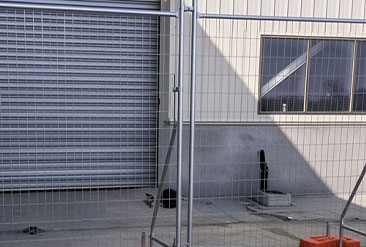
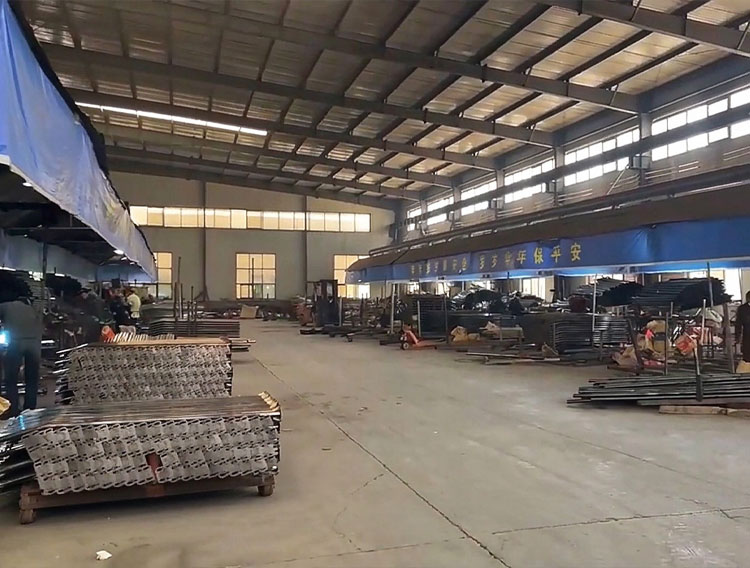
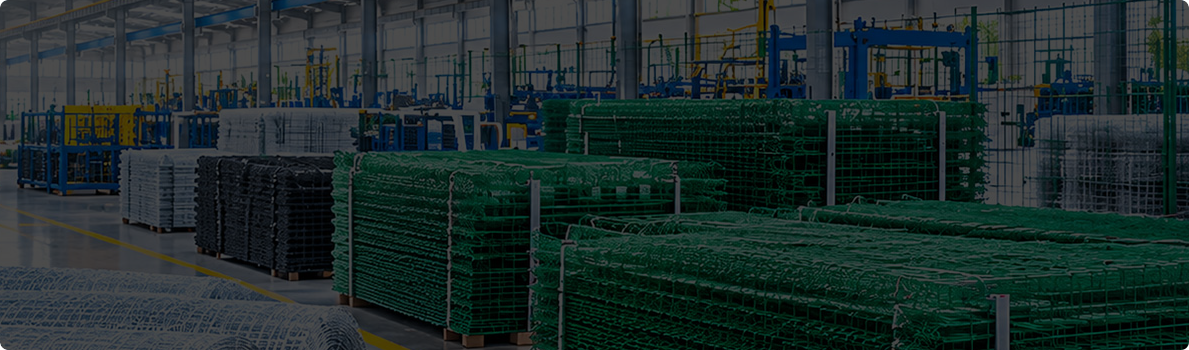
Anping County Kaiyao Wire Mesh Products Co., Ltd. makes fencing and wire mesh in Anping, Hebei. Sixteen product lines serve eight kinds of site: construction, residential, industrial and warehouse, high-security, highway and railway, farm and ranch, riverbank and slope, and municipal road.We do not stack standard panels in a warehouse and wait for someone to pick. Customers give us the site condit...
Our advantages
1
18 years of export experience
Our products have been exported to customers in Northern Europe, North America, Western Europe, Eastern Europe, and other markets.
2
Quality Certification
Our products have been exported to customers in Northern Europe, North America, Western Europe, Eastern Europe, and other markets.
3
OEM/ODM support
Our products have been exported to customers in Northern Europe, North America, Western Europe, Eastern Europe, and other markets.
4
Quality Certification
我们的产品已出口至北欧、北美、西欧、东欧等市场的客户。
5
OEM/ODM support
Our products have been exported to customers in Northern Europe, North America, Western Europe, Eastern Europe, and other markets.
6
Quality Certification
Our products have been exported to customers in Northern Europe, North America, Western Europe, Eastern Europe, and other markets.
Packaging Logistics
Packaging Logistics
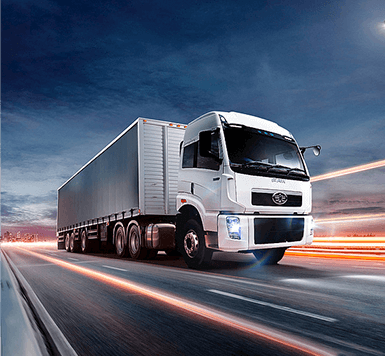
Packaging and transportation are very important links in the export process. Our quality inspection department checks every part before packing. For LCL, we use fumigation-free plywood boxes and wrap plastic film inside to pack industrial vegetable washers. For FCL, large fruit washers and fruit and vegetable washing production lines are directly loaded into containers and wrapped in plastic film to prevent moisture from entering and ensure transportation safety.
  • air freight
  • sea freight
  • Trucking
We use cookie to improve your online experience. By continuing to browse this website, you agree to our use of cookie.

Cookies

Please read our Terms and Conditions and this Policy before accessing or using our Services. If you cannot agree with this Policy or the Terms and Conditions, please do not access or use our Services. If you are located in a jurisdiction outside the European Economic Area, by using our Services, you accept the Terms and Conditions and accept our privacy practices described in this Policy.
We may modify this Policy at any time, without prior notice, and changes may apply to any Personal Information we already hold about you, as well as any new Personal Information collected after the Policy is modified. If we make changes, we will notify you by revising the date at the top of this Policy. We will provide you with advanced notice if we make any material changes to how we collect, use or disclose your Personal Information that impact your rights under this Policy. If you are located in a jurisdiction other than the European Economic Area, the United Kingdom or Switzerland (collectively “European Countries”), your continued access or use of our Services after receiving the notice of changes, constitutes your acknowledgement that you accept the updated Policy. In addition, we may provide you with real time disclosures or additional information about the Personal Information handling practices of specific parts of our Services. Such notices may supplement this Policy or provide you with additional choices about how we process your Personal Information.


Cookies

Cookies are small text files stored on your device when you access most Websites on the internet or open certain emails. Among other things, Cookies allow a Website to recognize your device and remember if you've been to the Website before. Examples of information collected by Cookies include your browser type and the address of the Website from which you arrived at our Website as well as IP address and clickstream behavior (that is the pages you view and the links you click).We use the term cookie to refer to Cookies and technologies that perform a similar function to Cookies (e.g., tags, pixels, web beacons, etc.). Cookies can be read by the originating Website on each subsequent visit and by any other Website that recognizes the cookie. The Website uses Cookies in order to make the Website easier to use, to support a better user experience, including the provision of information and functionality to you, as well as to provide us with information about how the Website is used so that we can make sure it is as up to date, relevant, and error free as we can. Cookies on the Website We use Cookies to personalize your experience when you visit the Site, uniquely identify your computer for security purposes, and enable us and our third-party service providers to serve ads on our behalf across the internet.

We classify Cookies in the following categories:
 ●  Strictly Necessary Cookies
 ●  Performance Cookies
 ●  Functional Cookies
 ●  Targeting Cookies


Cookie List
A cookie is a small piece of data (text file) that a website – when visited by a user – asks your browser to store on your device in order to remember information about you, such as your language preference or login information. Those cookies are set by us and called first-party cookies. We also use third-party cookies – which are cookies from a domain different than the domain of the website you are visiting – for our advertising and marketing efforts. More specifically, we use cookies and other tracking technologies for the following purposes:

Strictly Necessary Cookies
These cookies are necessary for the website to function and cannot be switched off in our systems. They are usually only set in response to actions made by you which amount to a request for services, such as setting your privacy preferences, logging in or filling in forms. You can set your browser to block or alert you about these cookies, but some parts of the site will not then work. These cookies do not store any personally identifiable information.

Functional Cookies
These cookies enable the website to provide enhanced functionality and personalisation. They may be set by us or by third party providers whose services we have added to our pages. If you do not allow these cookies then some or all of these services may not function properly.

Performance Cookies
These cookies allow us to count visits and traffic sources so we can measure and improve the performance of our site. They help us to know which pages are the most and least popular and see how visitors move around the site. All information these cookies collect is aggregated and therefore anonymous. If you do not allow these cookies we will not know when you have visited our site, and will not be able to monitor its performance.

Targeting Cookies
These cookies may be set through our site by our advertising partners. They may be used by those companies to build a profile of your interests and show you relevant adverts on other sites. They do not store directly personal information, but are based on uniquely identifying your browser and internet device. If you do not allow these cookies, you will experience less targeted advertising.

How To Turn Off Cookies
You can choose to restrict or block Cookies through your browser settings at any time. Please note that certain Cookies may be set as soon as you visit the Website, but you can remove them using your browser settings. However, please be aware that restricting or blocking Cookies set on the Website may impact the functionality or performance of the Website or prevent you from using certain services provided through the Website. It will also affect our ability to update the Website to cater for user preferences and improve performance. Cookies within Mobile Applications

We only use Strictly Necessary Cookies on our mobile applications. These Cookies are critical to the functionality of our applications, so if you block or delete these Cookies you may not be able to use the application. These Cookies are not shared with any other application on your mobile device. We never use the Cookies from the mobile application to store personal information about you.

If you have questions or concerns regarding any information in this Privacy Policy, please contact us by email at . You can also contact us via our customer service at our Site.