



Product details
Product Overview: Reinforcing Mesh
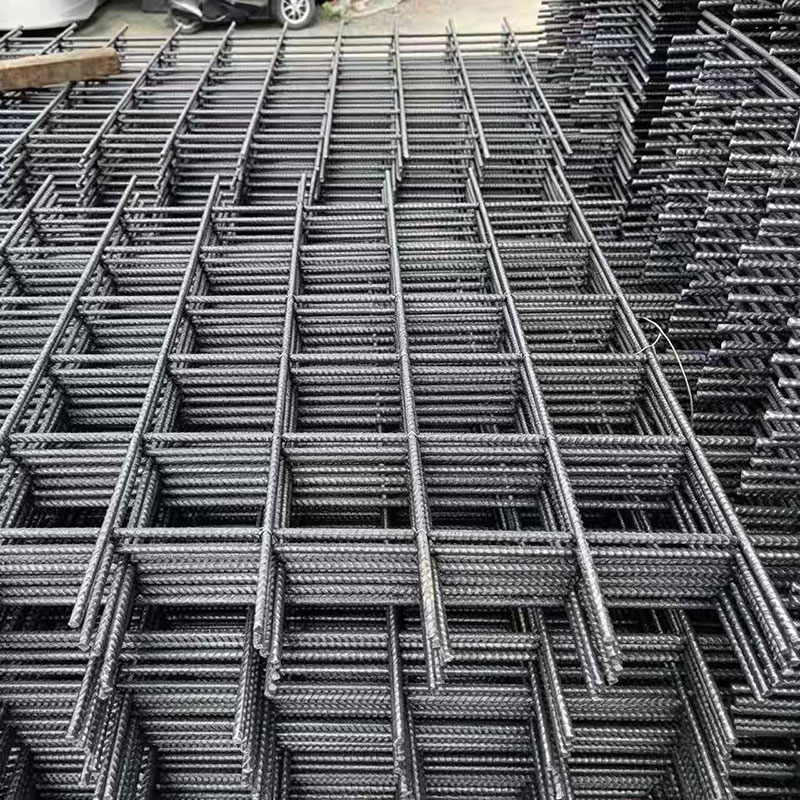
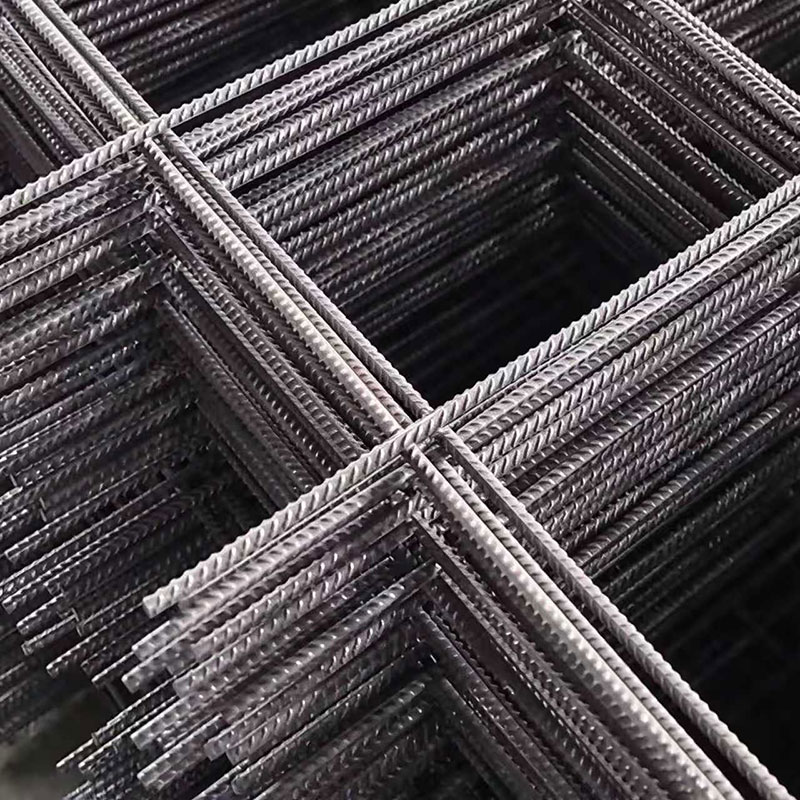
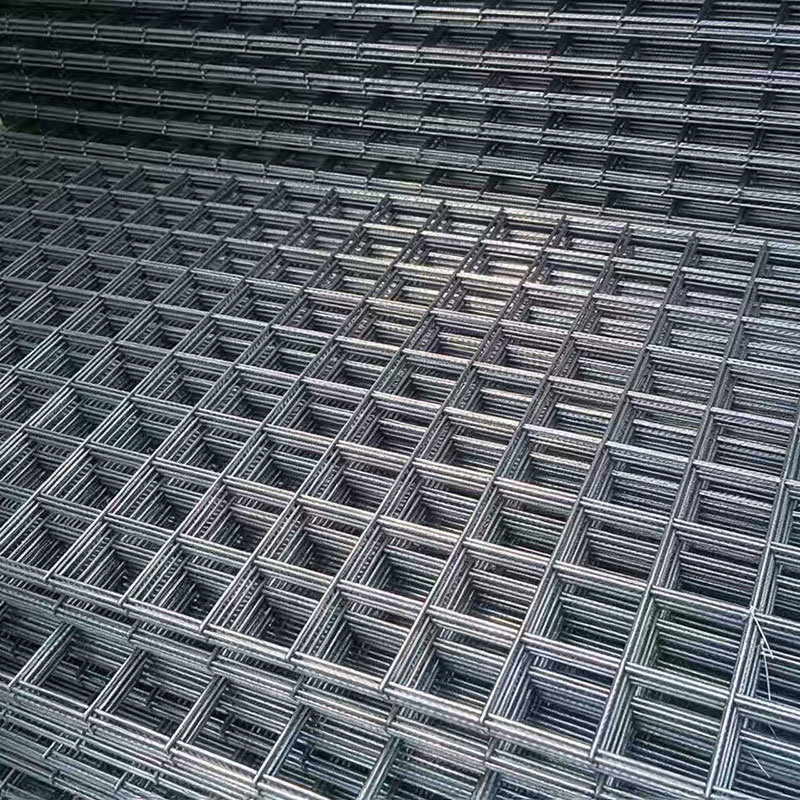
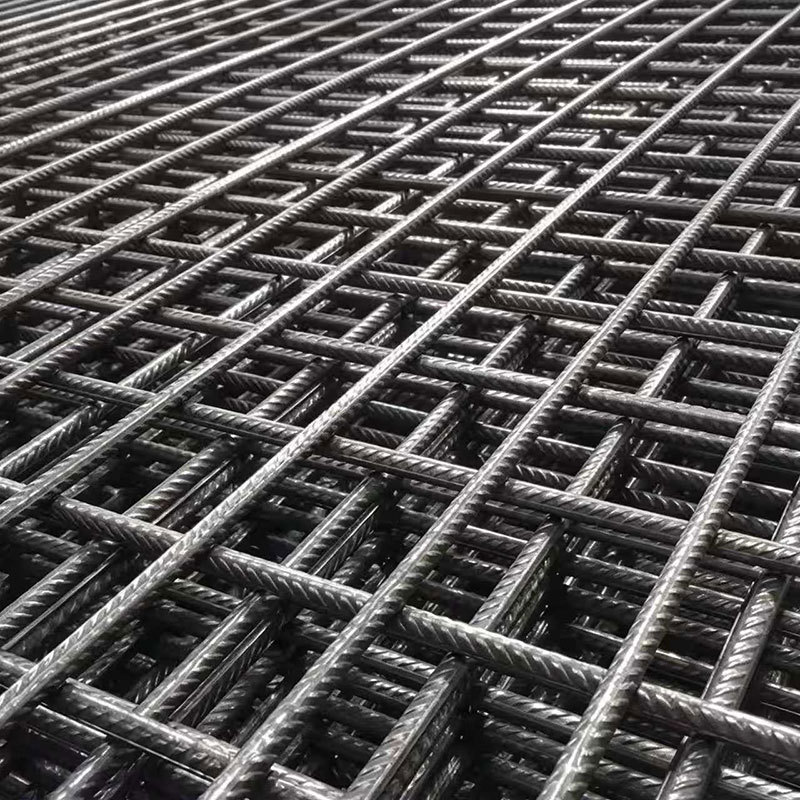
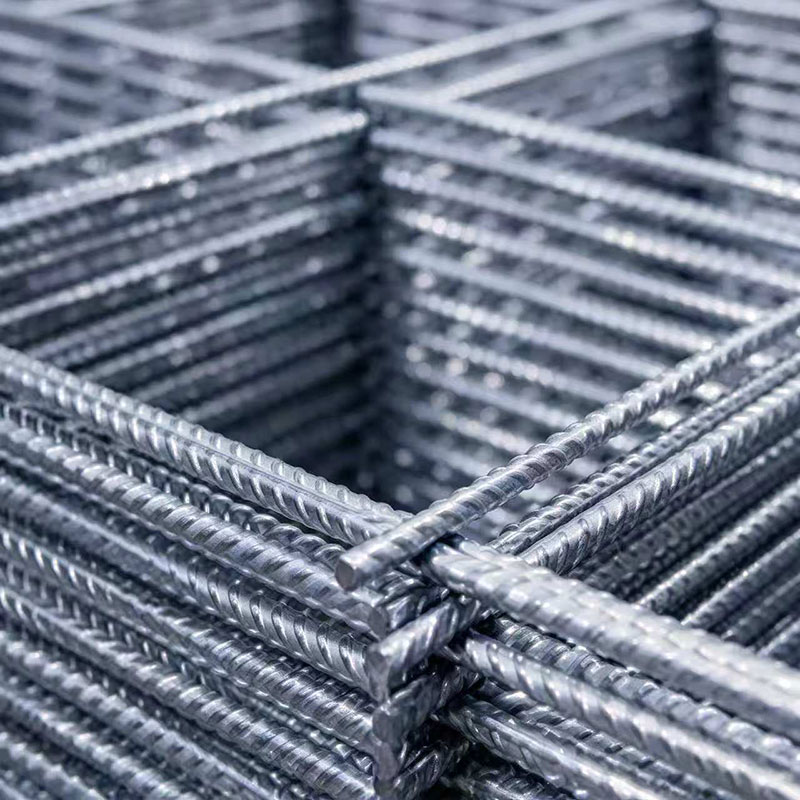
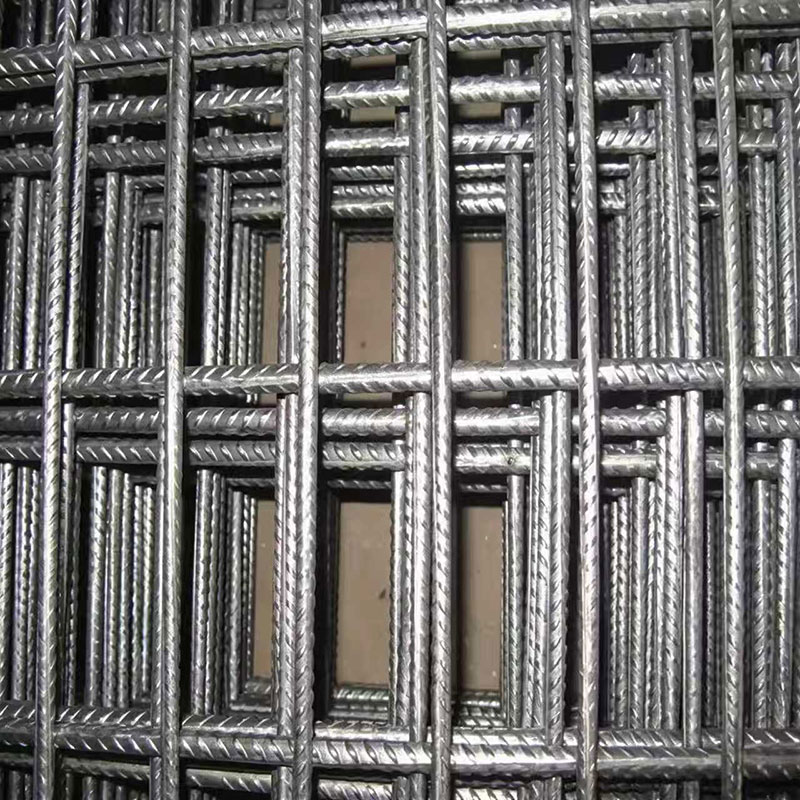
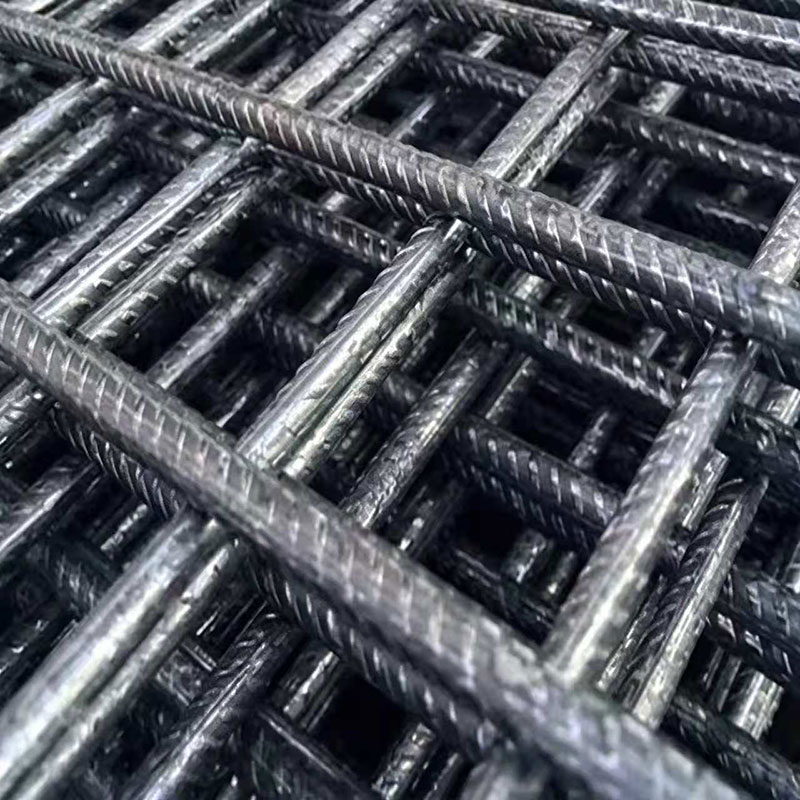
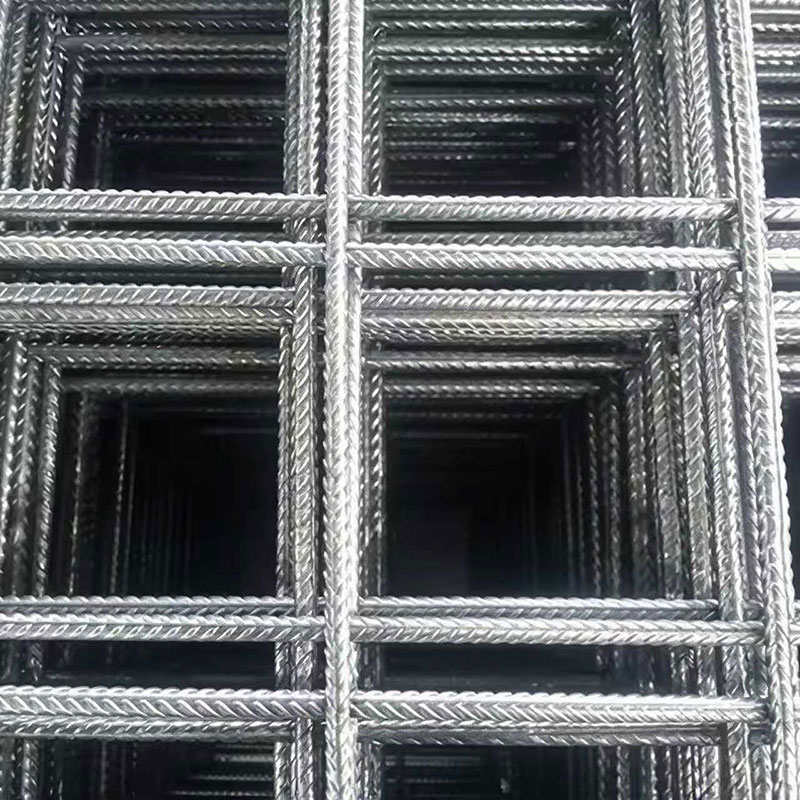
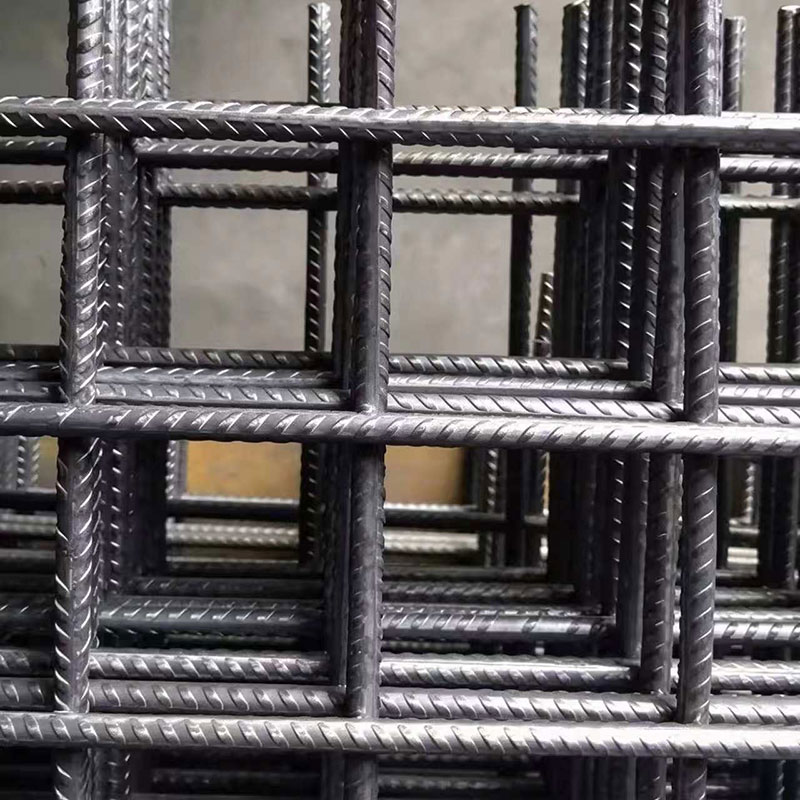
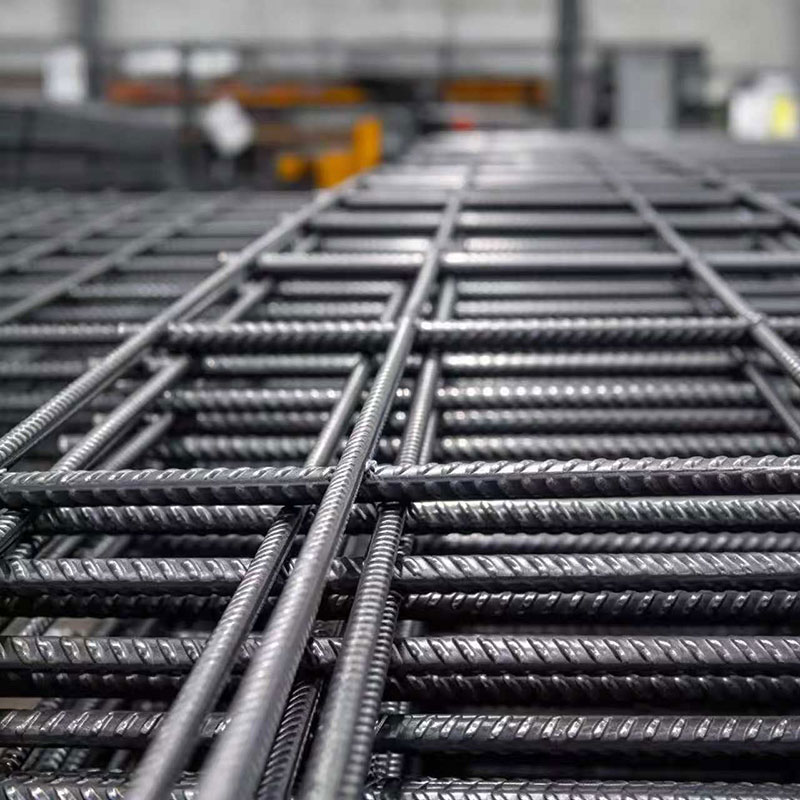
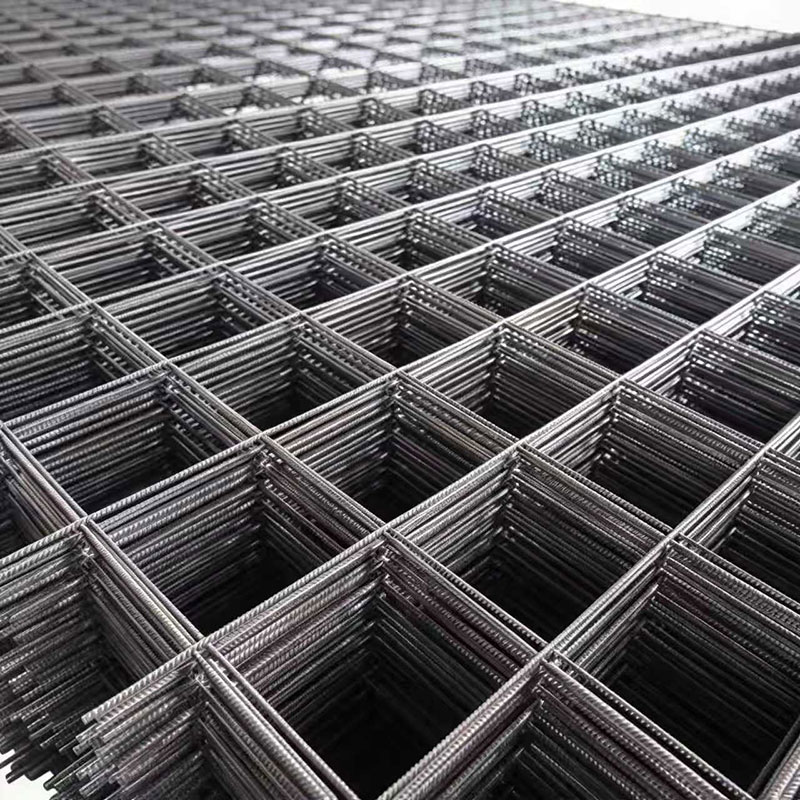
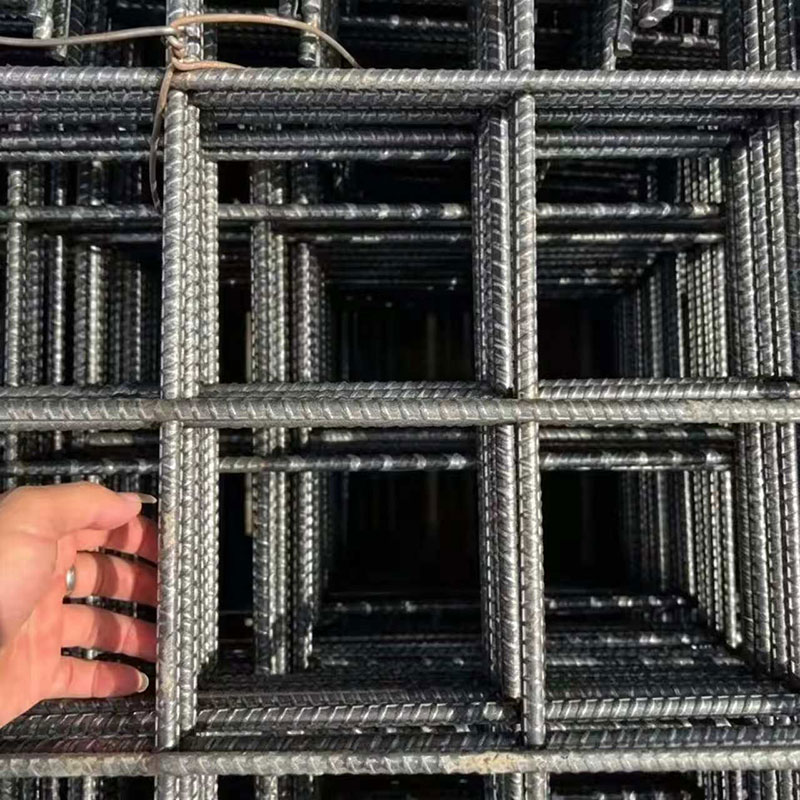
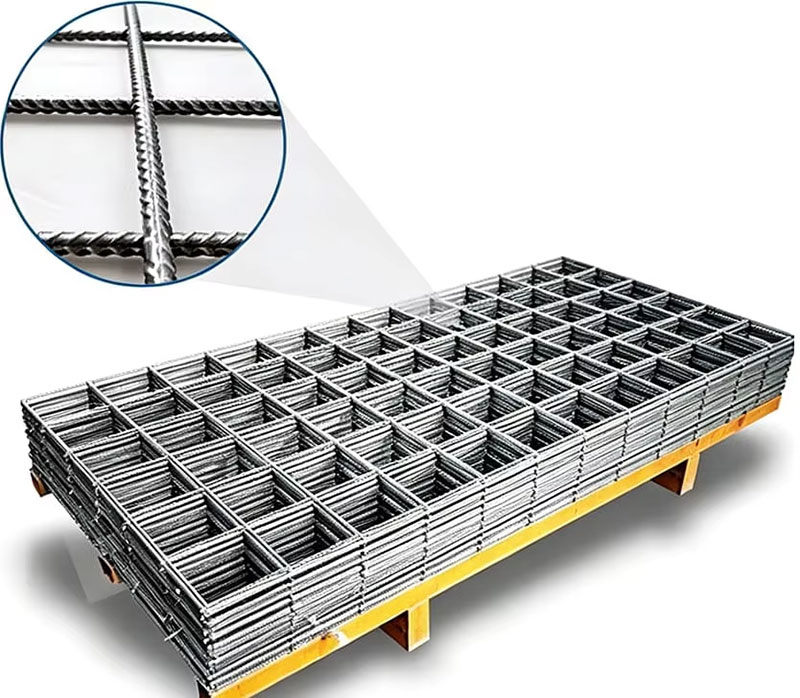
Reinforcing mesh is a grid member in which longitudinal and transverse bars are laid orthogonal at a set spacing and electrically resistance-welded into one rigid piece at every intersection. The welded nodes hold the bars at the designed spacing before and during pouring, so the grid does not shift under foot traffic the way tied bars do, and concrete cover is more uniform. It replaces the on-site bar-by-bar tying operation, saving labour and lap wastage.
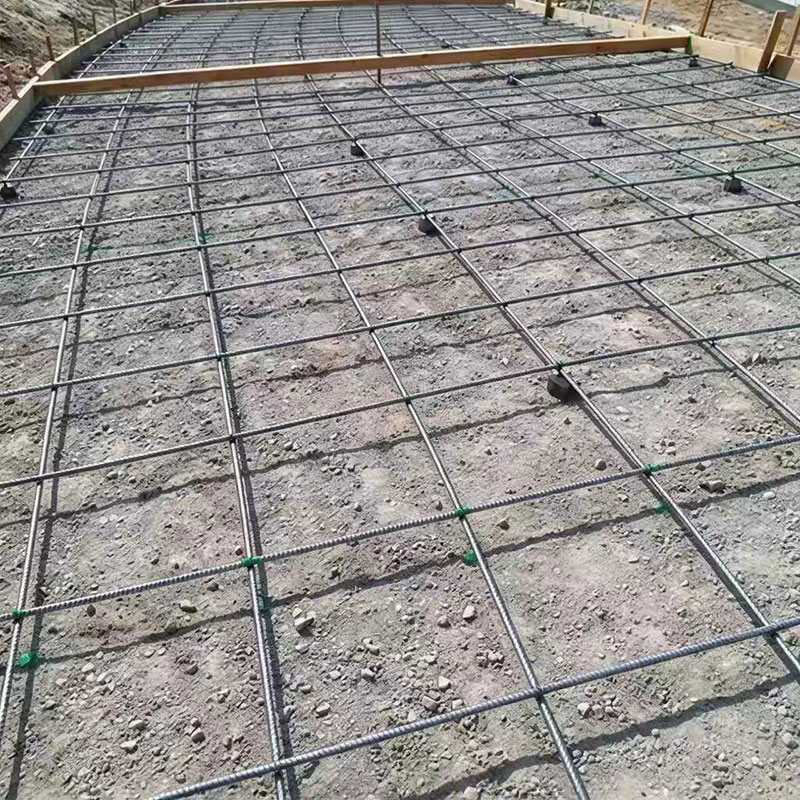
There are two classes by use. Structural mesh goes into floor slabs, roof slabs, bridge deck overlays, tunnel linings and box culverts; bar diameter and spacing come from structural calculation, and the drawing governs. Construction mesh goes into ground slabs, pavements, footpaths and masonry ties; its job is crack control and shrinkage restraint, with thinner bars and wider spacing, and looser requirements on node shear. The two classes differ in node shear acceptance, steel grade and dimensional tolerance, so the class must be stated before ordering.
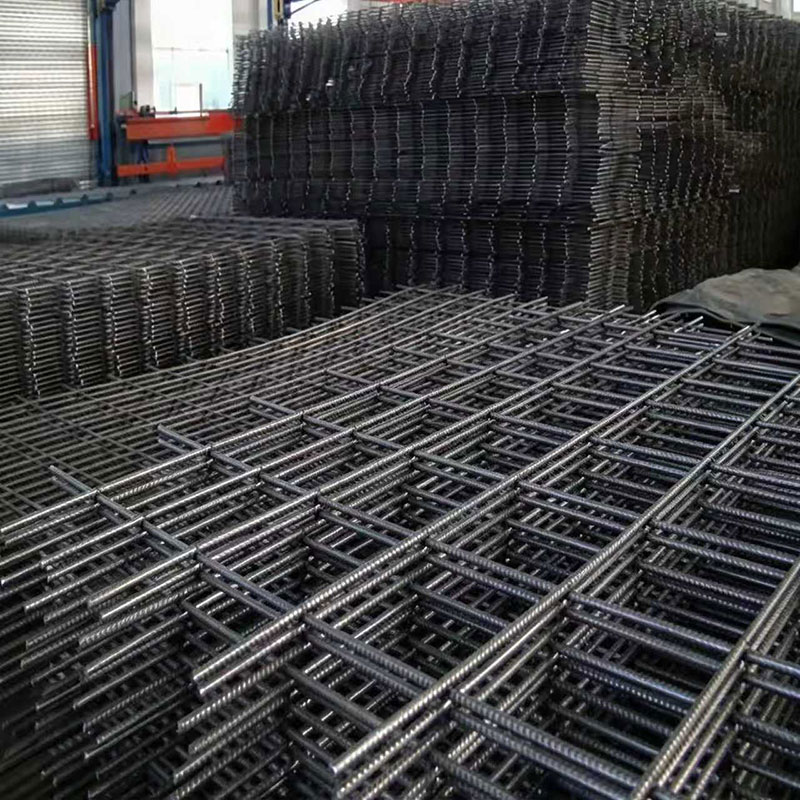
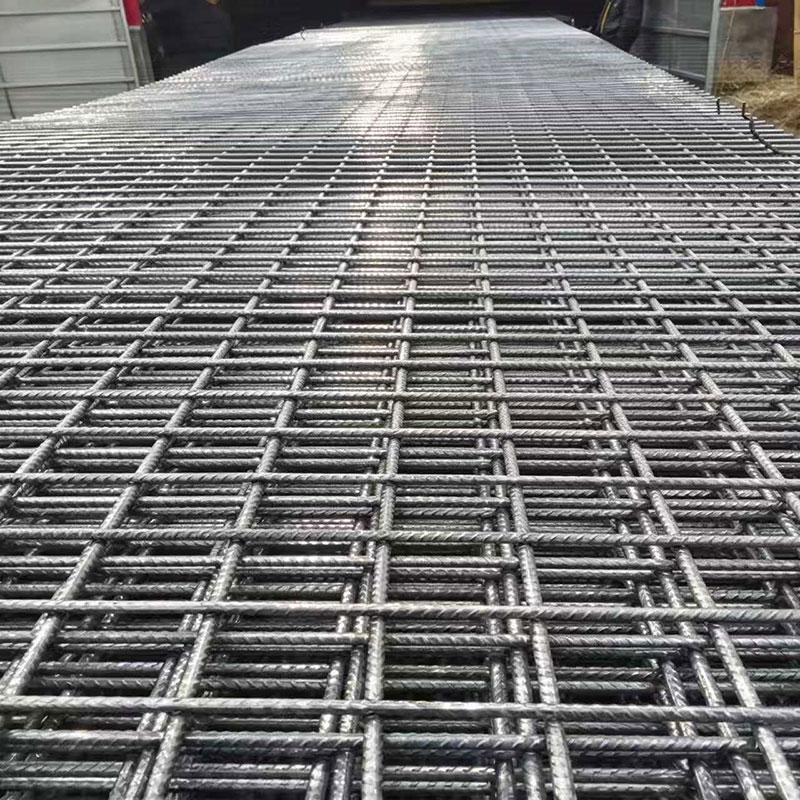
On supply form, mesh is mainly supplied as cut-to-size flat panels: width 0.5-2.4 m and length 1-12 m made to project size, with 2x3 m, 2x4 m and 2x6 m the most common. Irregular shapes, openings, edge frames and folded edges can be fabricated to drawing. Surface finish has three options: black wire (uncoated), galvanized, and PVC coated. Mesh cast inside concrete normally uses black wire; zinc or PVC is specified only where the member is exposed or damp.
Specifications and Parameters (Reinforcing Mesh):
| Item | Specification |
|---|---|
| Bar diameter | 3 - 14 mm |
| Bar spacing | 100 / 150 / 200 / 250 / 300 / 400 / 500 mm |
| Mesh opening | 50x50 / 100x100 / 150x150 / 200x200 mm (other patterns to drawing) |
| Panel width | 0.5 - 2.4 m |
| Panel length | 1 - 12 m |
| Most common panel sizes | 2x6 m, 2x3 m, 2x4 m |
| Steel grade and strength class | To project drawing |
| Node shear resistance | Agreed in the technical protocol and sampled accordingly; values confirmed per order |
| Surface finish | Black wire (uncoated) / electro- or hot-dip galvanized / PVC coated (three options, see below) |
| Fabrication | Cut to size, irregular openings, edge frames, folded edges, piece numbering and lot splitting to drawing |
| Note | The above is the normal supply range. Diameter, spacing, panel size and finish are all made to order; the governing standard follows the project drawing and specification, and dimensions and weights are subject to confirmation. |
Surface Finish (three options):
Black wire (uncoated): no coating after welding, used inside concrete. Once poured and encased, the steel is isolated from the environment and needs no additional protection, which makes it the cheapest and highest-volume option. Suits floor slabs, ground slabs, pavements, foundations and precast elements.
Galvanized (electro or hot-dip): for exposed, damp, wet-dry cycling or long-storage conditions such as temporary site slabs, open yards, slope protection mesh, exposed bridge deck areas and coastal projects. Hot-dip gives a thicker coating and better corrosion resistance at higher cost; electro-galvanized gives a thin even coating at lower cost. The required coating is agreed per project.
PVC coated: a PVC layer over a galvanized base, in a choice of colours (commonly green or black). For exposed applications needing both corrosion protection and appearance, such as landscaped paving, fence-mounted mesh and livestock or aquaculture facilities. The coating also isolates and cushions, reducing mechanical damage in transit and during pouring.
Selection note: first establish whether the member is exposed. Fully embedded members take black wire as the most economical choice; partly exposed or permanently damp members take galvanized; exposed members needing colour and a thicker protective layer take PVC. Zinc and PVC both increase the wire diameter, which slightly changes the clear opening and the piece weight, so state it in the technical annex at order stage.
Product Features:
- ● Rigid nodes: intersections are resistance-welded into one piece, so the grid resists displacement during transport, lifting and pouring and keeps its spacing.
- ● Labour and material savings: replaces bar-by-bar tying on site, cutting man-hours and lap wastage, and making progress less dependent on weather and crew size.
- ● Uniform bond: accurate bar positioning and consistent spacing make cover easier to control, giving better crack behaviour than loosely tied bars.
- ● Wide range: bar diameter 3-14 mm, spacing 100-500 mm, panels 0.5-2.4 m wide and 1-12 m long, all made to drawing.
- ● Fabrication: cut to size, irregular openings, edge frames and folded edges allow delivery as a finished member with openings and returns.
- ● Finish options: black wire, galvanized and PVC coated, tiered by exposure so that no member is over-protected.
Application Scenarios:
- ● Building floor and roof slabs: structural mesh placed to the structural drawing in place of tied bars.
- ● Industrial and commercial ground slabs: construction mesh for shrinkage crack control, commonly in 2x3 m or 2x6 m panels.
- ● Concrete pavements and footpaths: pavement mesh cut to the slab module.
- ● Bridge deck overlays and box culverts: structural mesh with designed diameter and spacing, where node shear must meet acceptance.
- ● Tunnels and metro linings: curved and irregular panels fabricated to the section drawing.
- ● Wall ties and masonry strengthening: fine-diameter mesh used with blocks and render.
- ● Slope protection, temporary works and yards: exposed applications using galvanized or PVC coated mesh for corrosion resistance and reuse.
FAQ:
Company profile
Company profile
View more+
Our advantages
 18 years of export experience
 Quality Certification
 OEM/ODM support Quality Certification OEM/ODM support Quality Certification
Packaging Logistics

-
 air freight
-
 sea freight
-
 Trucking